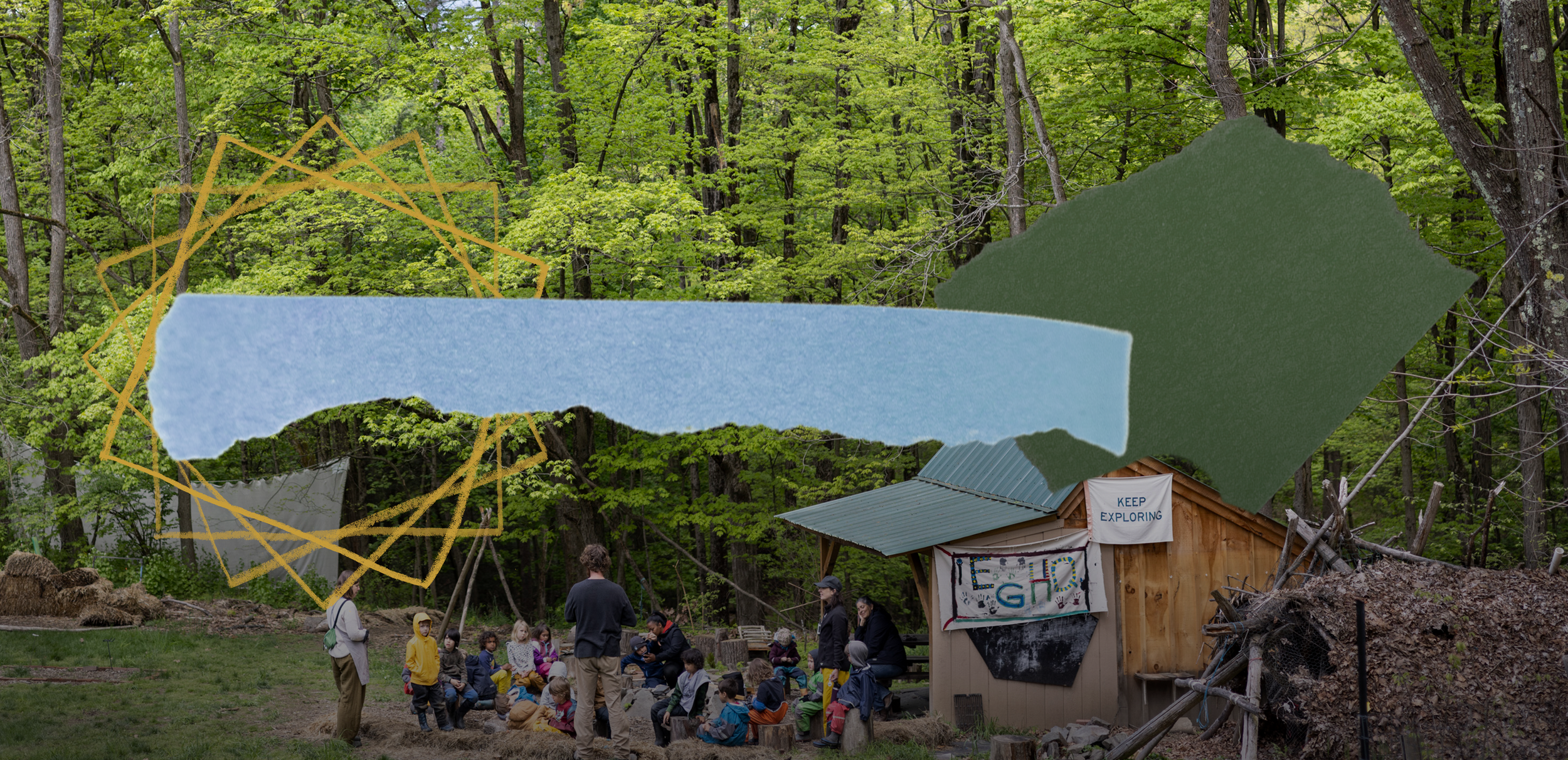
Learning Comes Alive Outdoors
Did you know children today spend up to 7 hours a day indoors and on screens, contributing to rising anxiety and stress in youth?
(Haidt & Lukianoff, 2018)
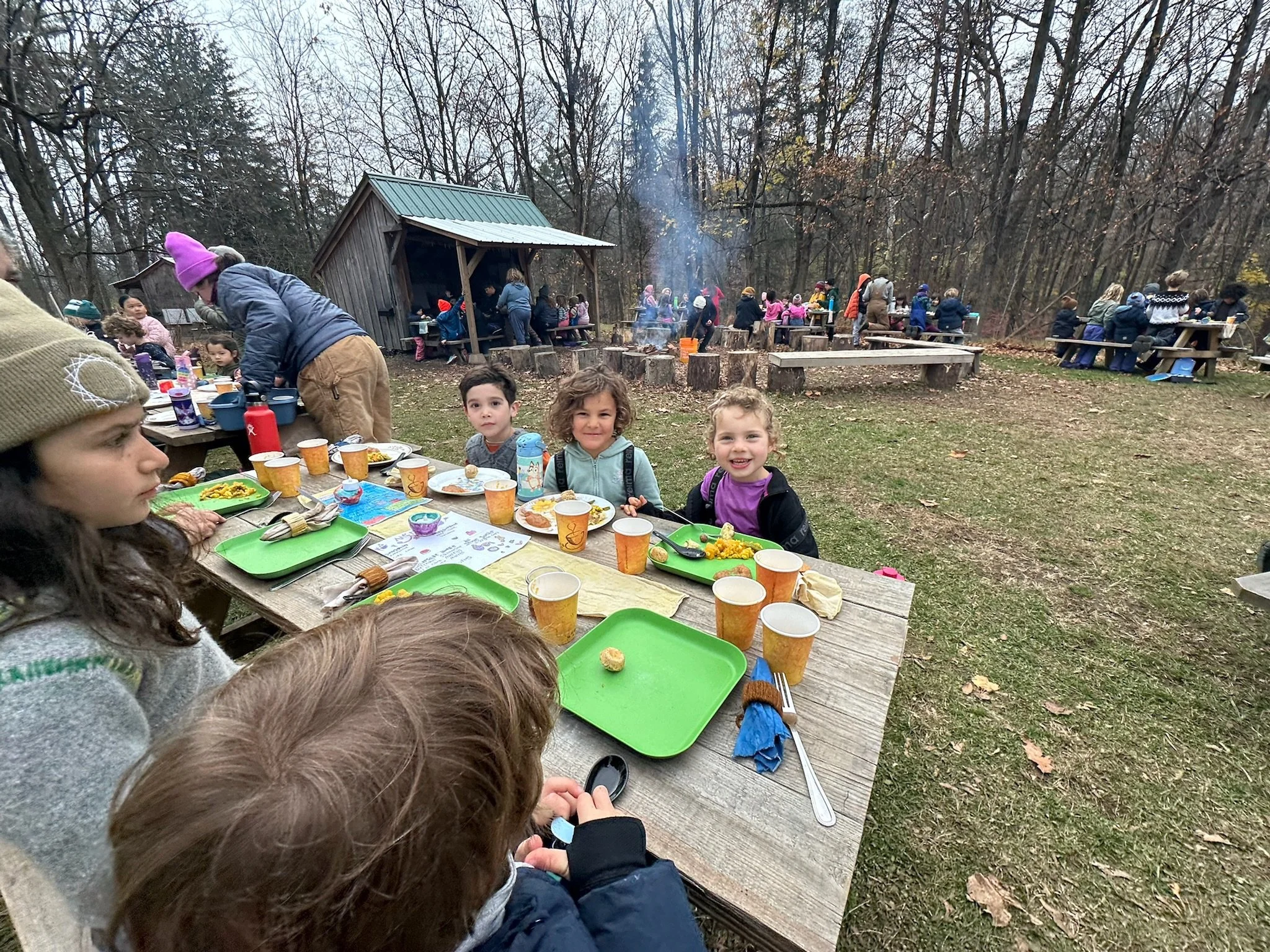
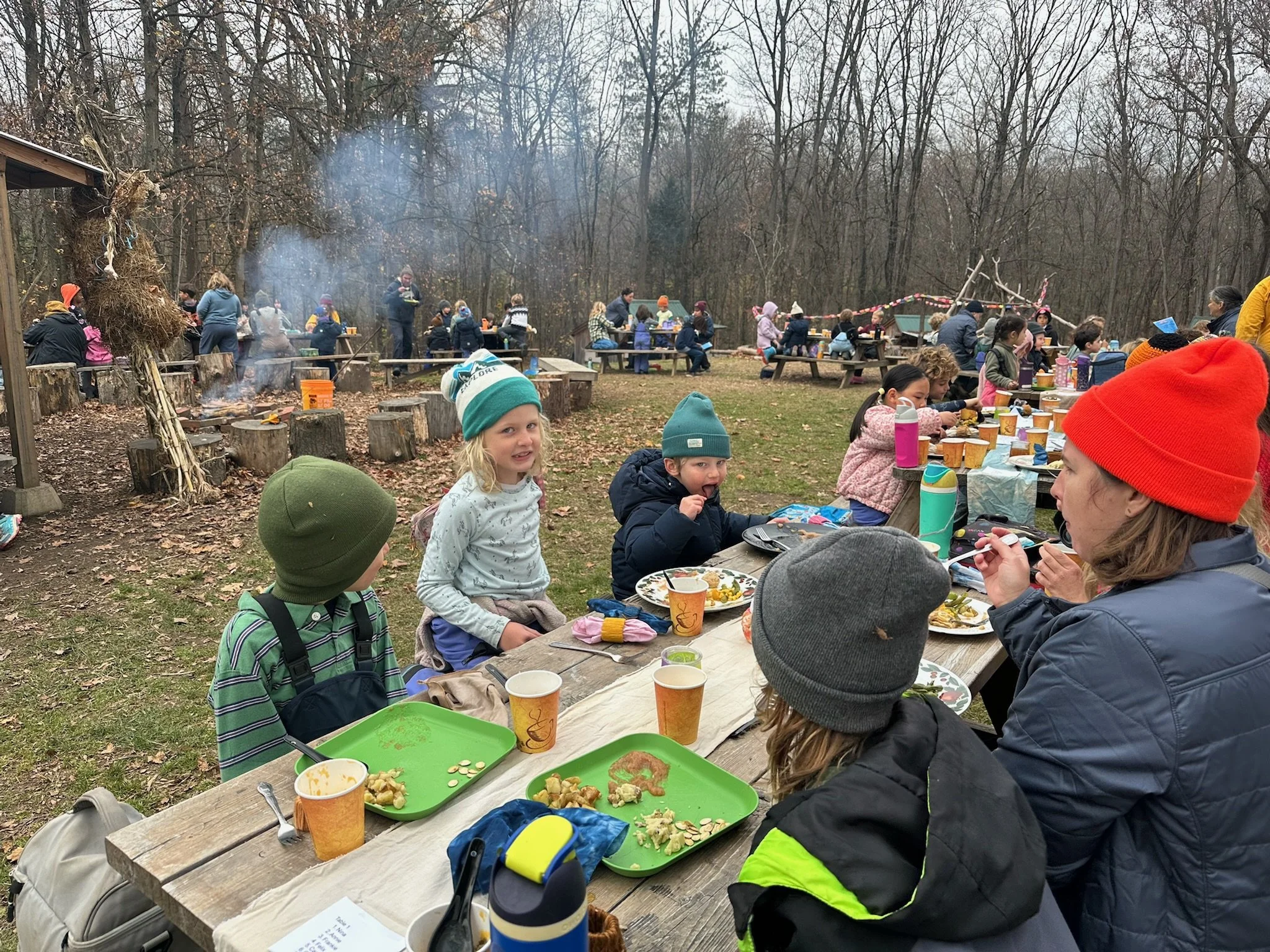
At Randolph, we bring children outside to explore, learn, and grow, fostering confidence, resilience, and a love of learning. Our outdoor classrooms support social, emotional, intellectual, and physical development, while connecting students to the natural world.
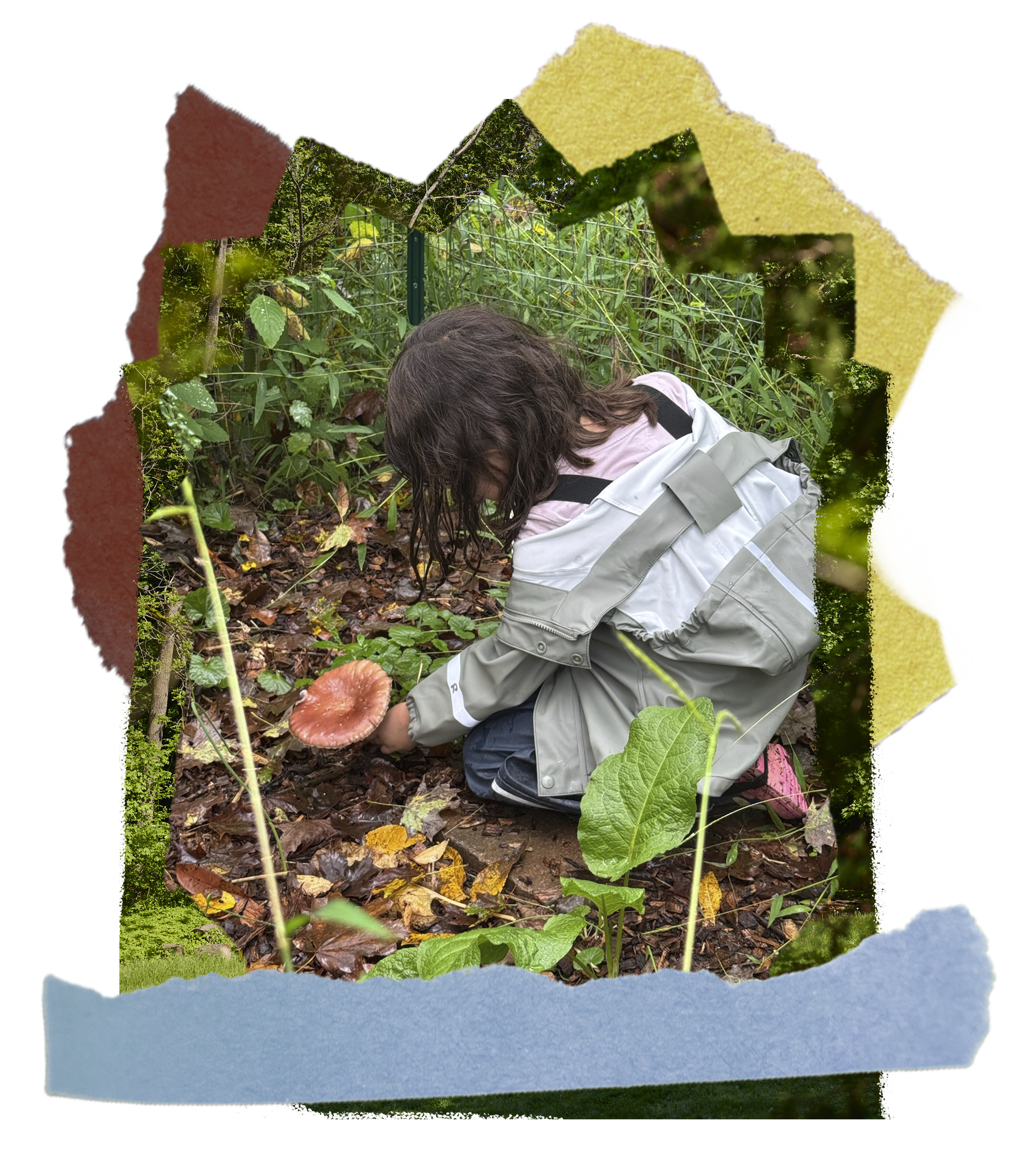
Learning Outdoors Boosts Understanding
The outdoors serves as a hands-on classroom where children explore math, science, and literacy concepts. Measuring plants, counting harvests, and observing wildlife make learning tangible and meaningful.
Why it matters: Outdoor learning improves attention, engagement, and academic outcomes, helping students retain knowledge and deepen understanding.
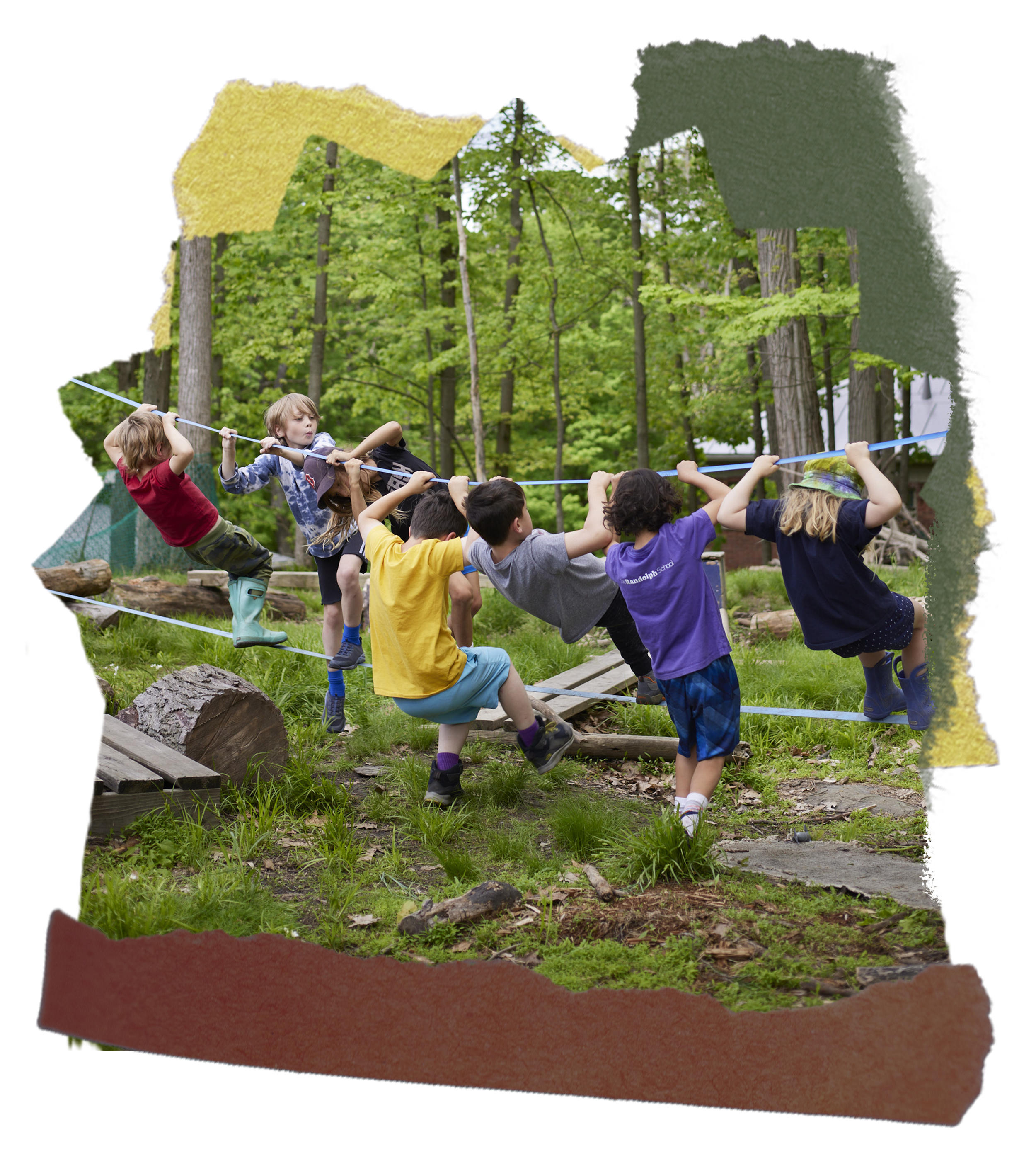
Risky Play Builds Life Skills
Play and physical challenges are an essential part of learning. Climbing, balancing, and collaborative problem-solving allow children to take healthy risks—helping them develop resilience, adaptability, and problem solving skills that extend far beyond the playground.
Why it matters: Students who engage in risky play gain confidence, independence, and strong social-emotional skills.
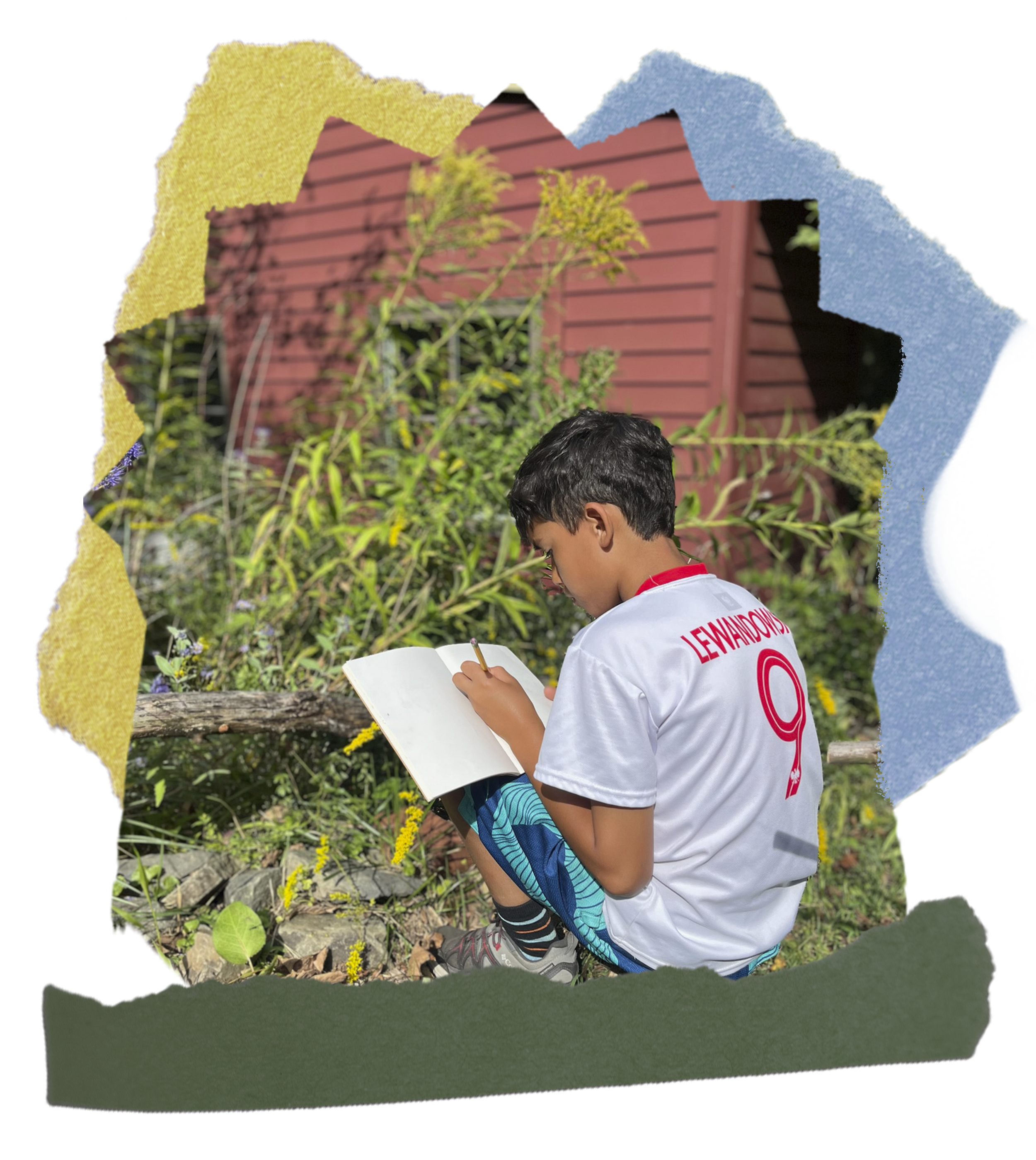
Healthy Bodies, Calm Minds
Active time outdoors nurtures a calm mind and supports overall well-being. Children experience reduced stress, enhanced focus, and emotional balance.
Why it matters: Students who spend time in nature are more active, less stressed, and better able to concentrate.
Project Highlights
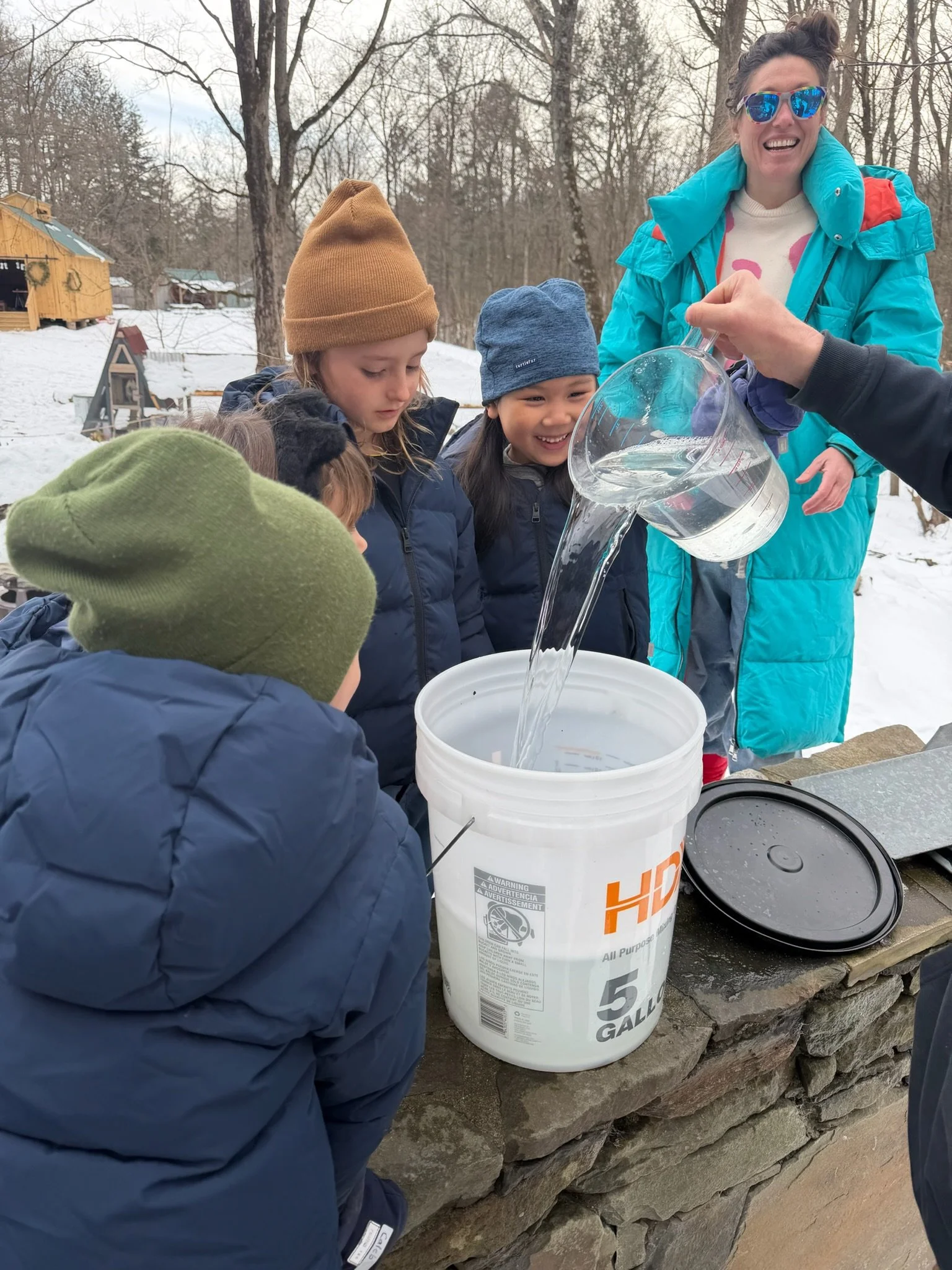
Maple Sugaring
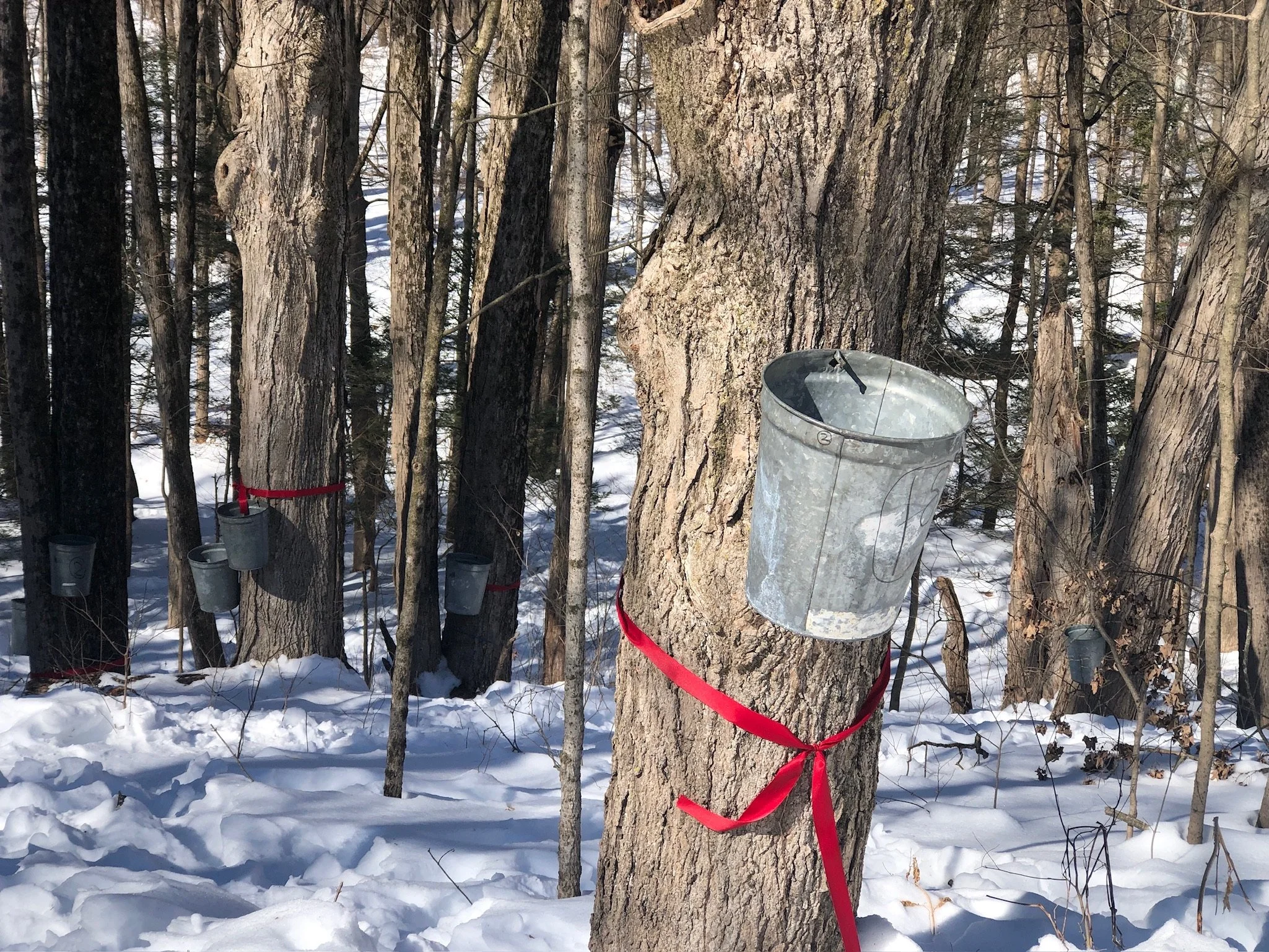
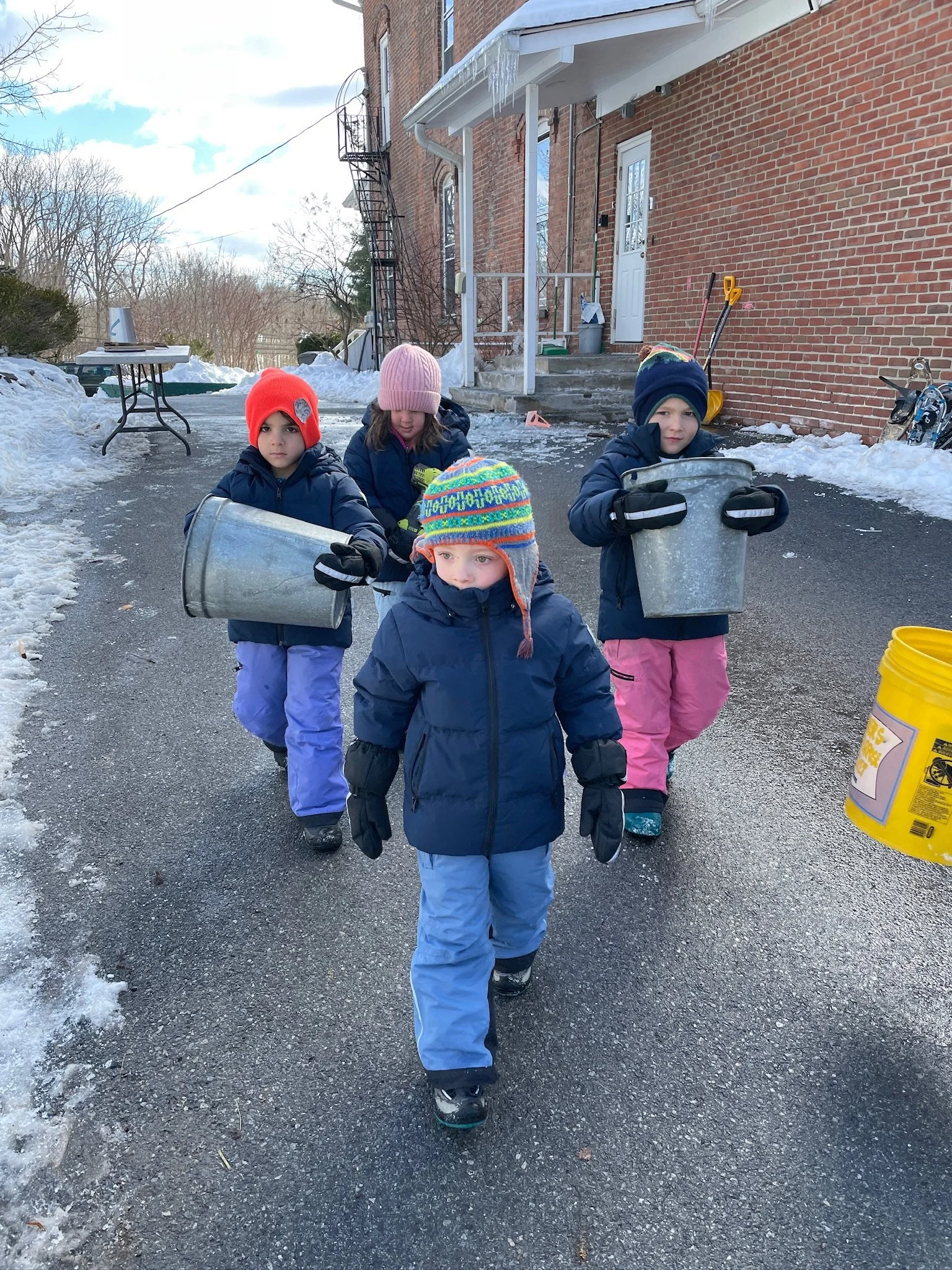
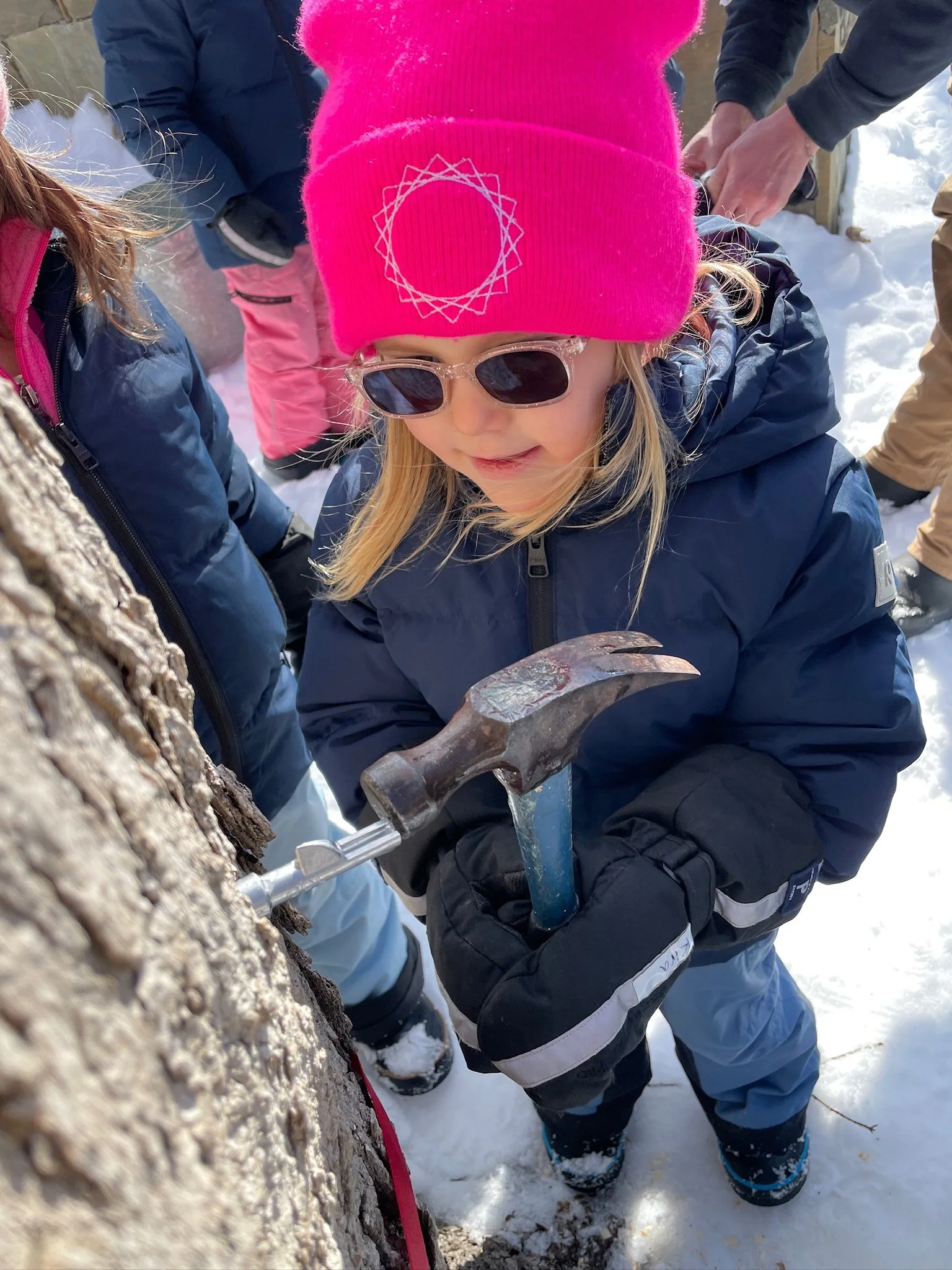
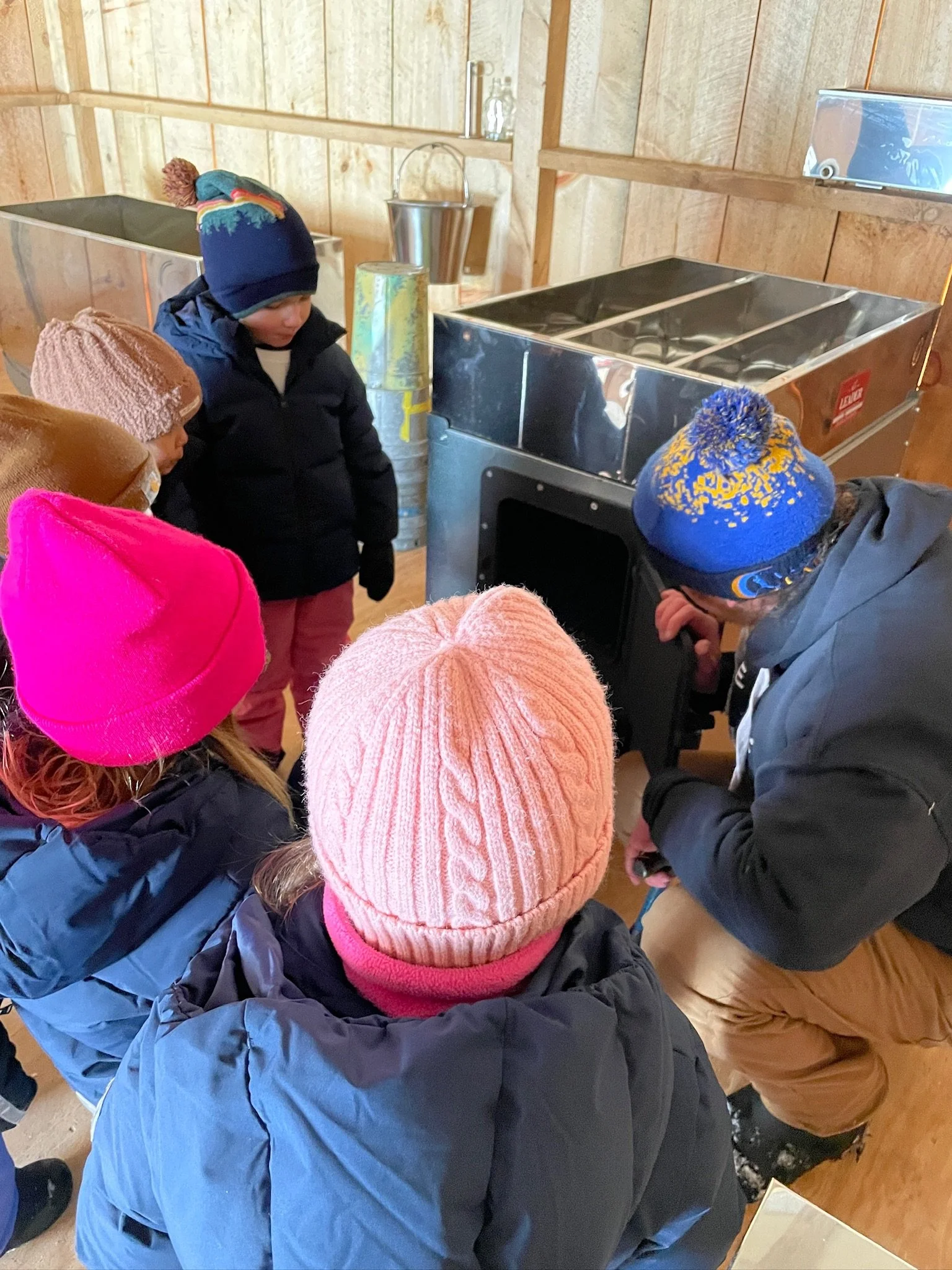
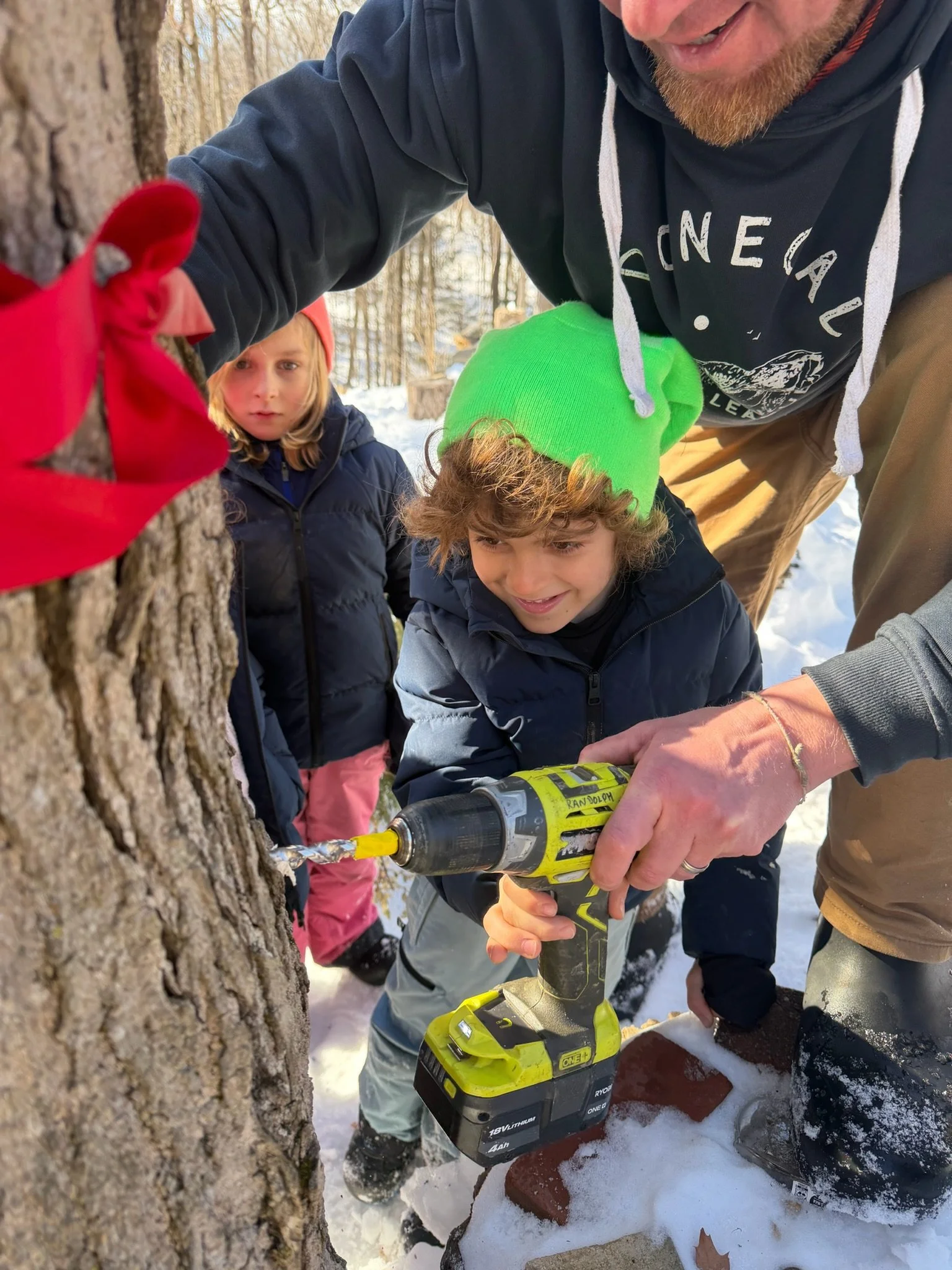
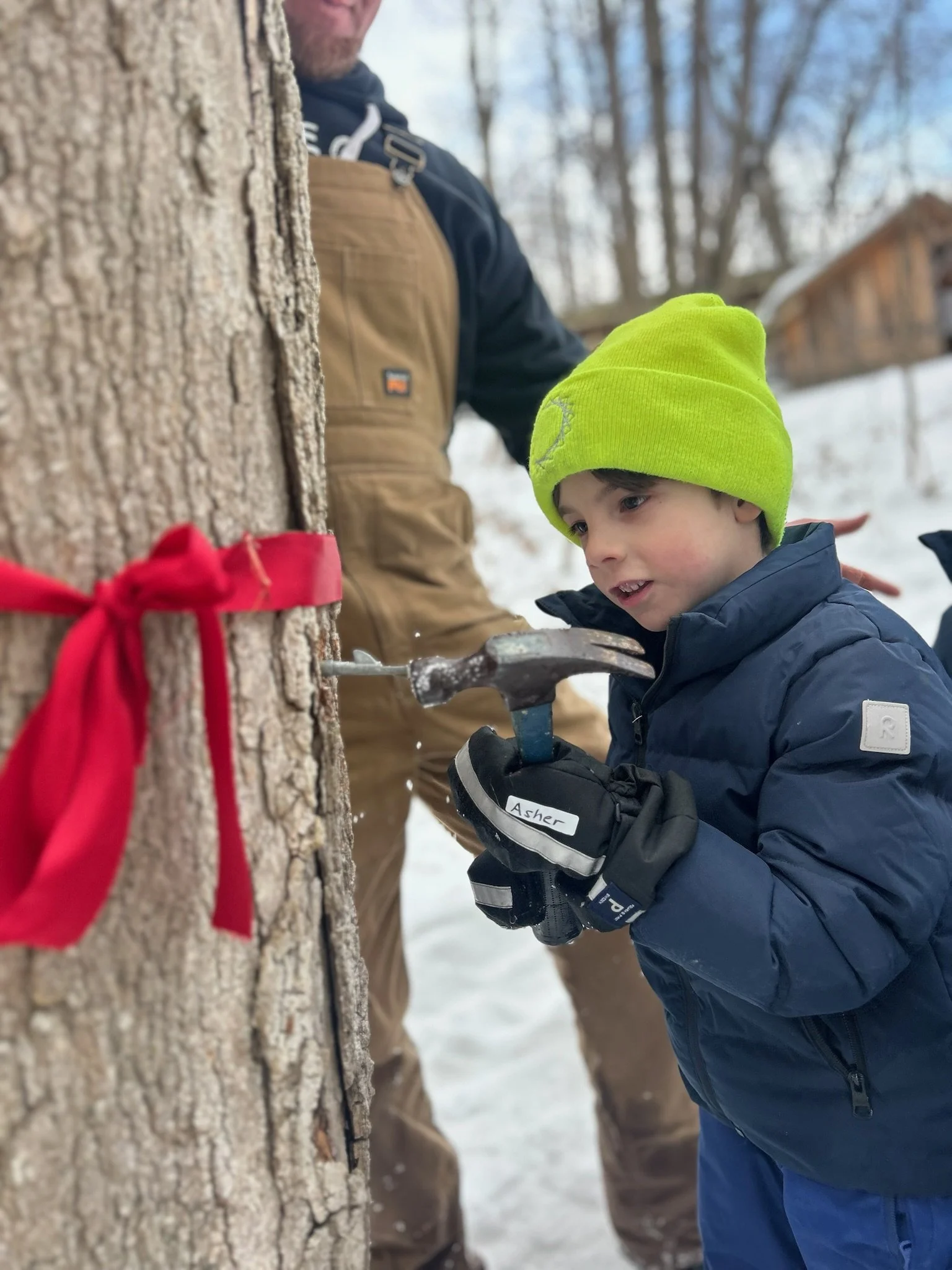
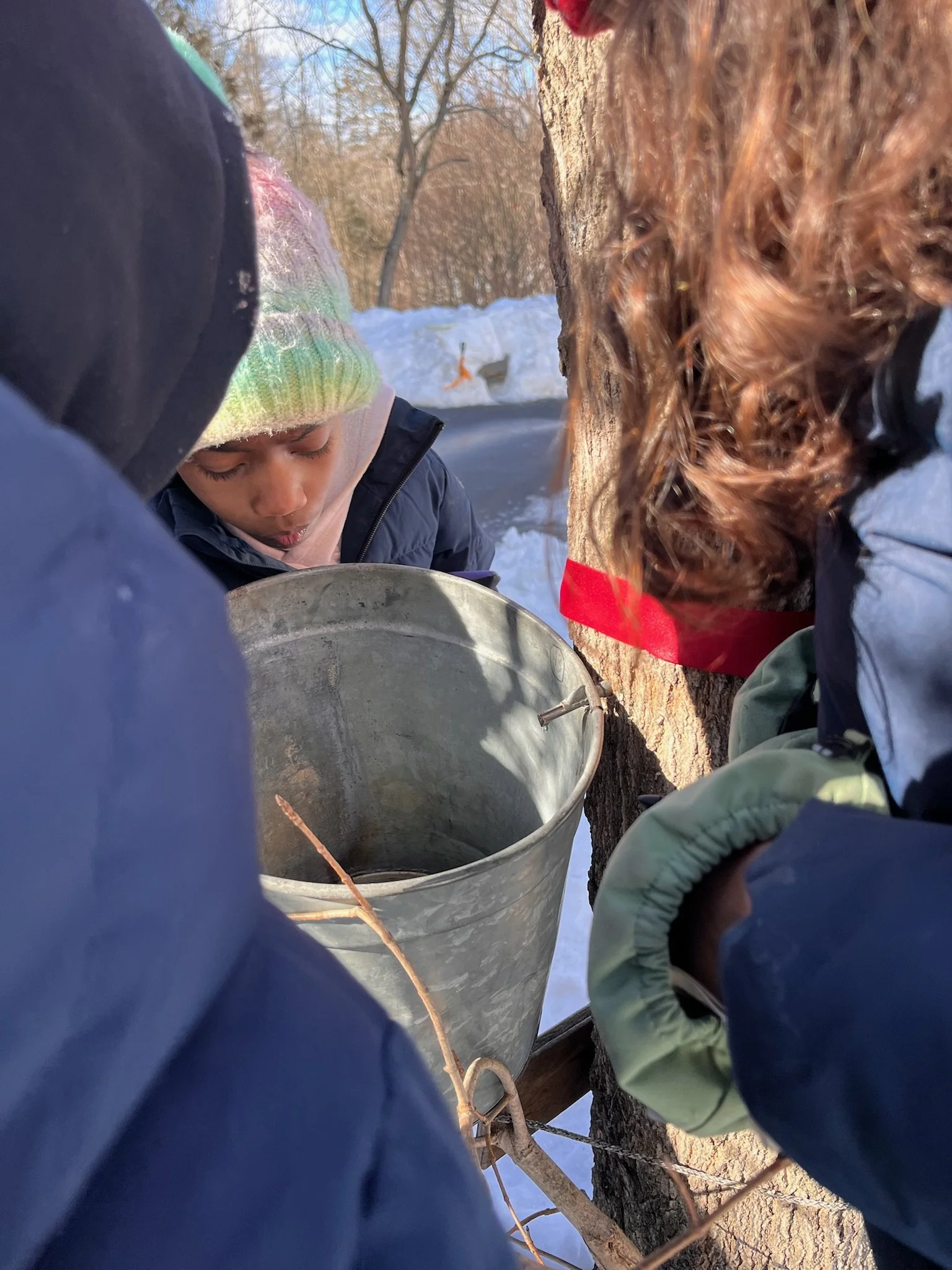
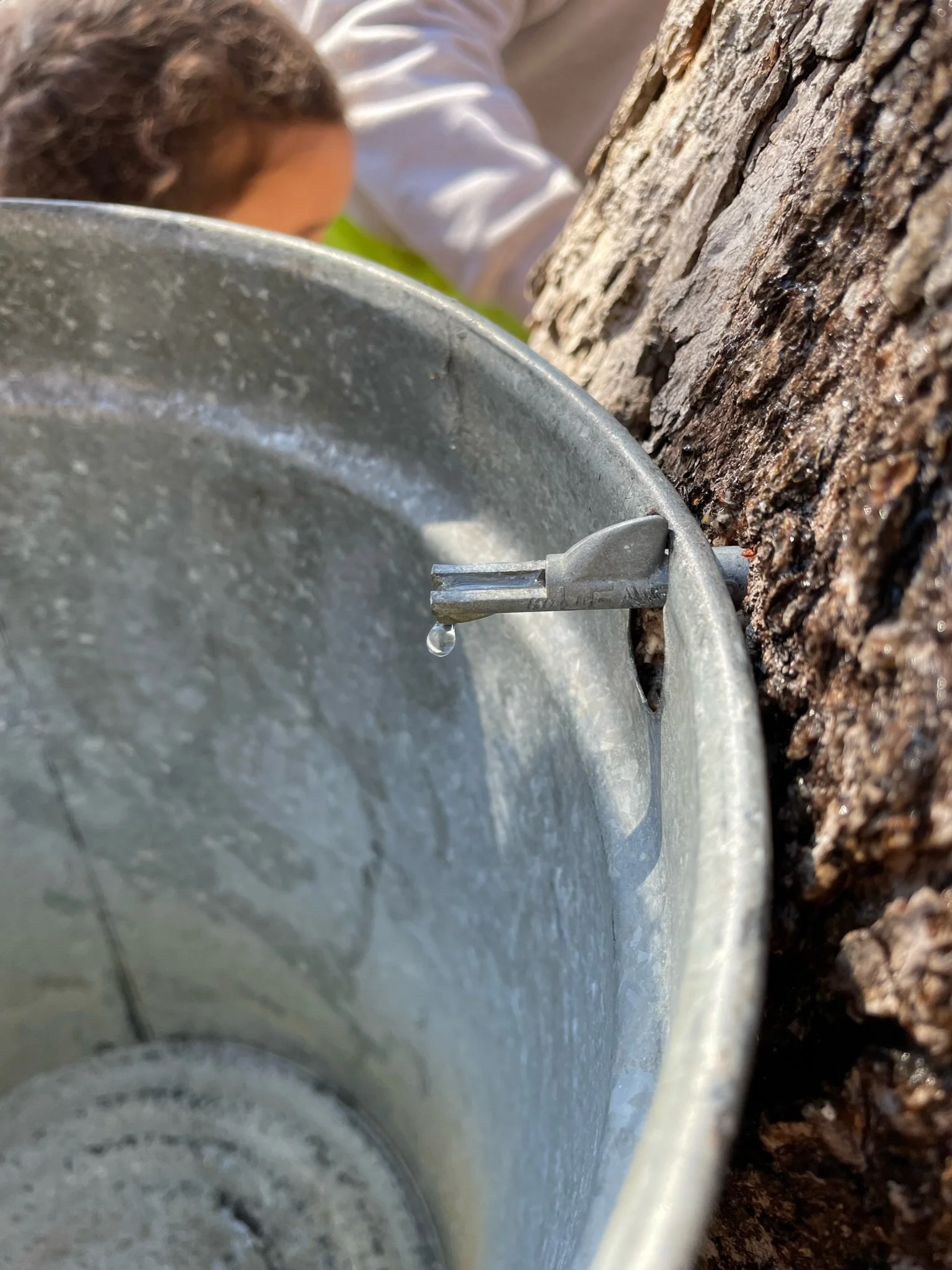
Students engage in every step of maple sugaring, from identifying and tapping trees to boiling sap, integrating science, math, and environmental studies. This hands-on process connects biology, chemistry, measurement skills, and seasonal observation in a real-world context.
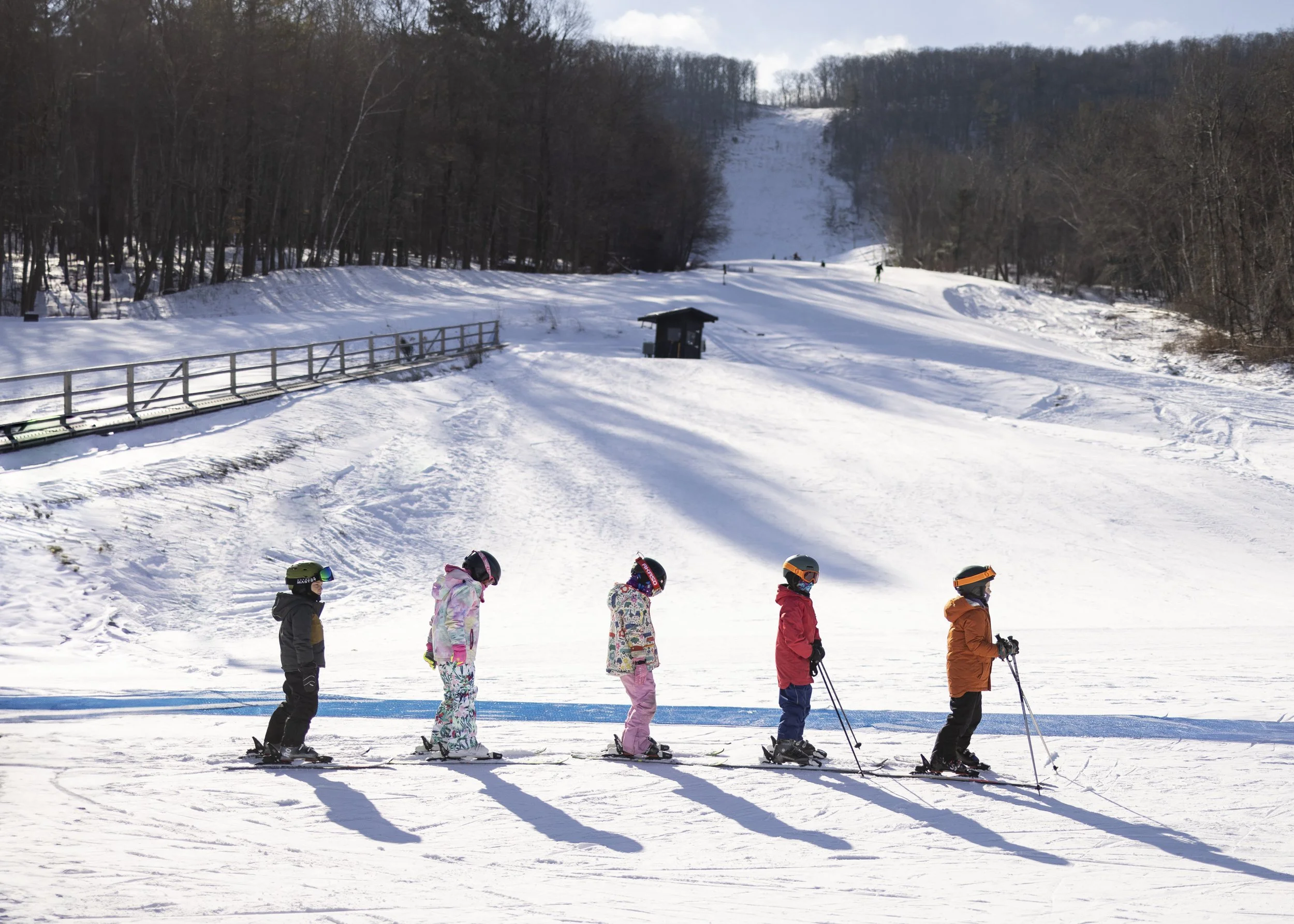
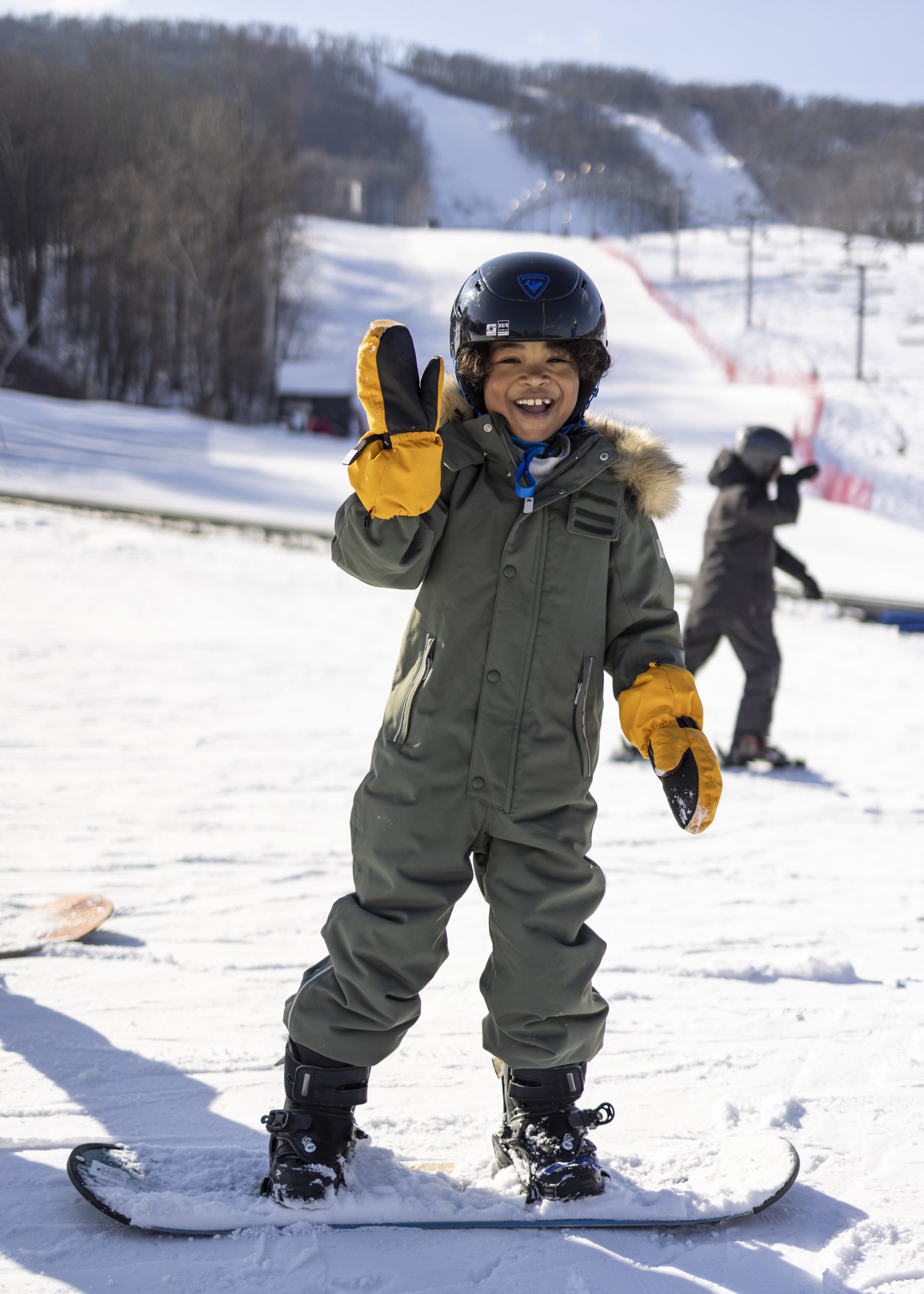
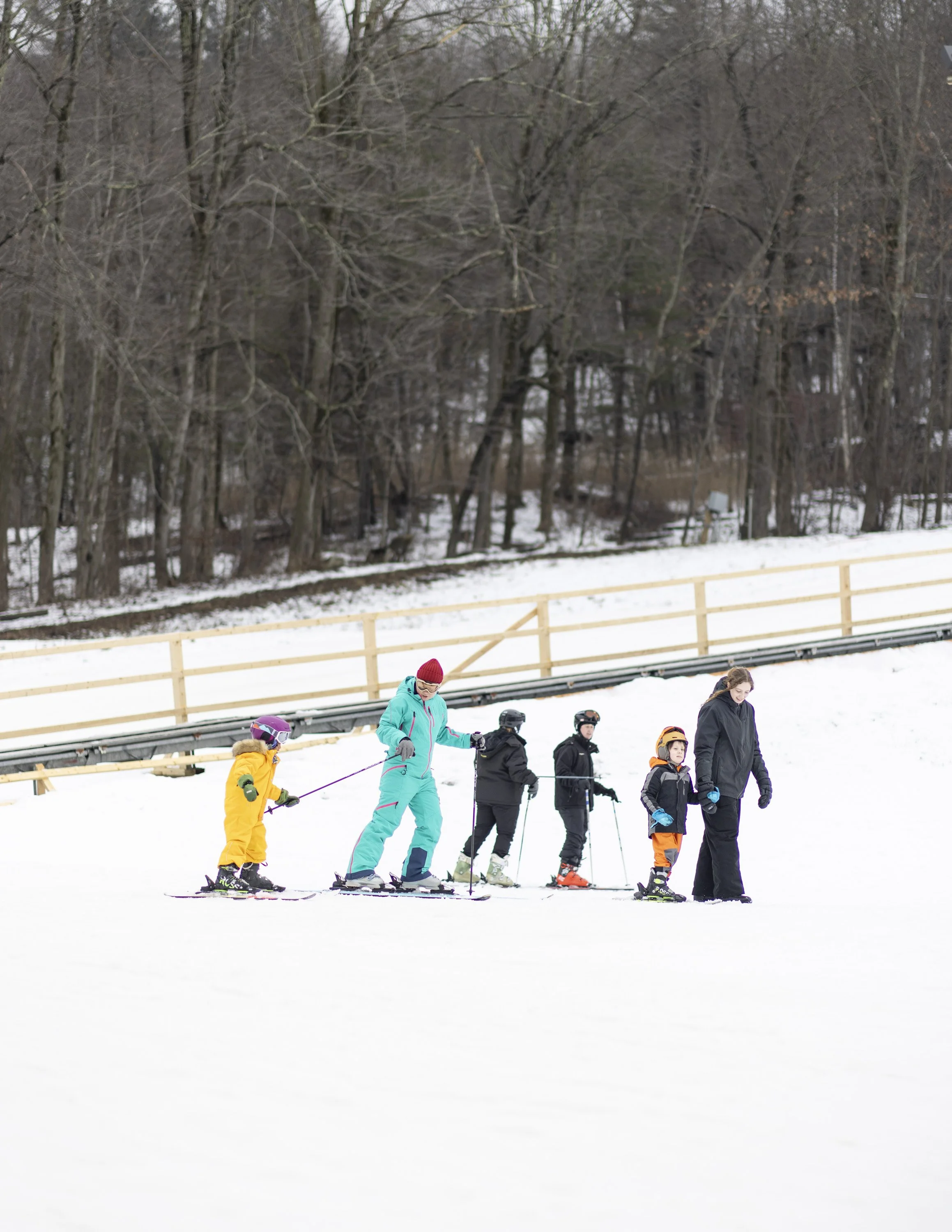
Skiing and Slopes
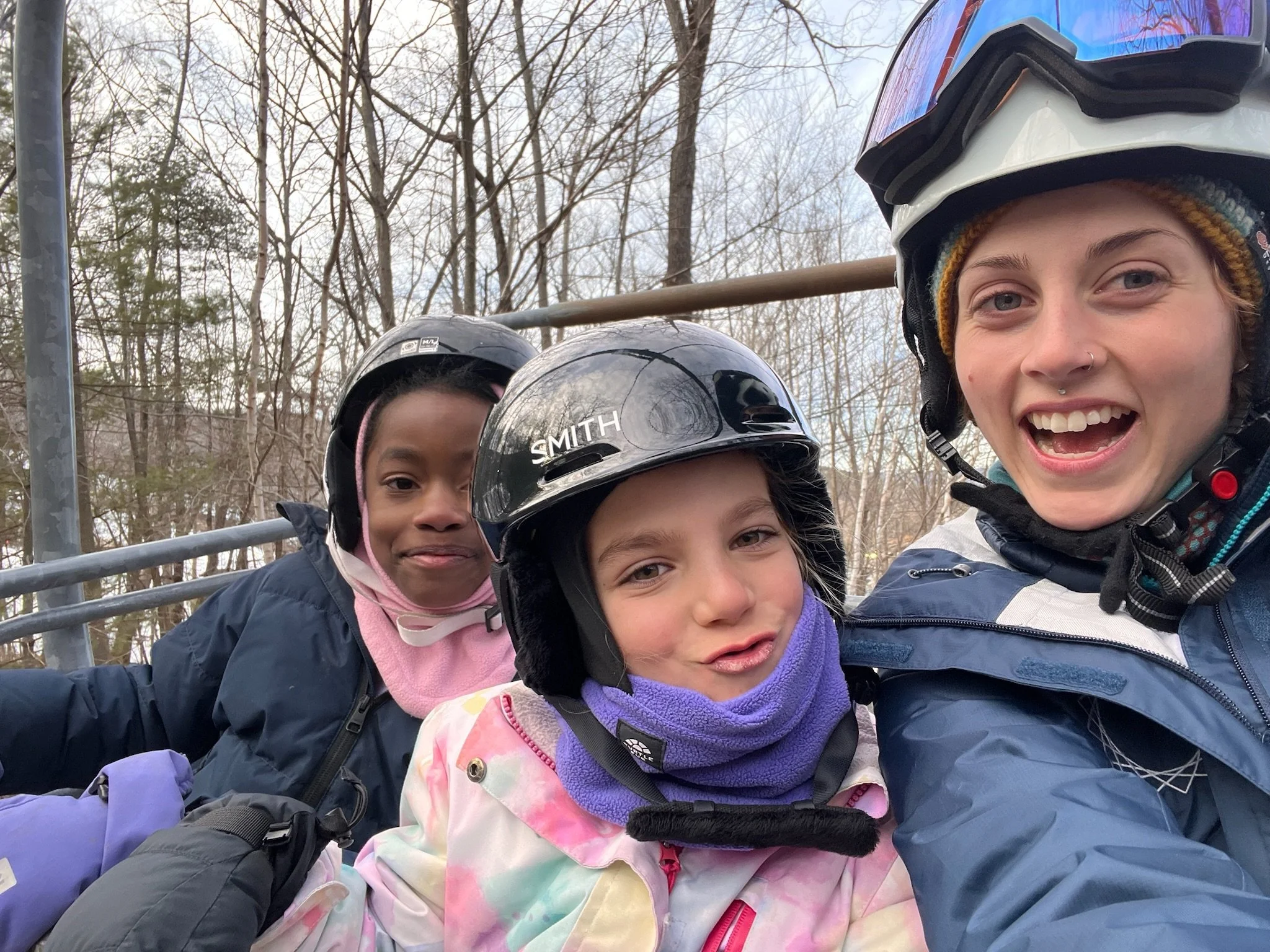
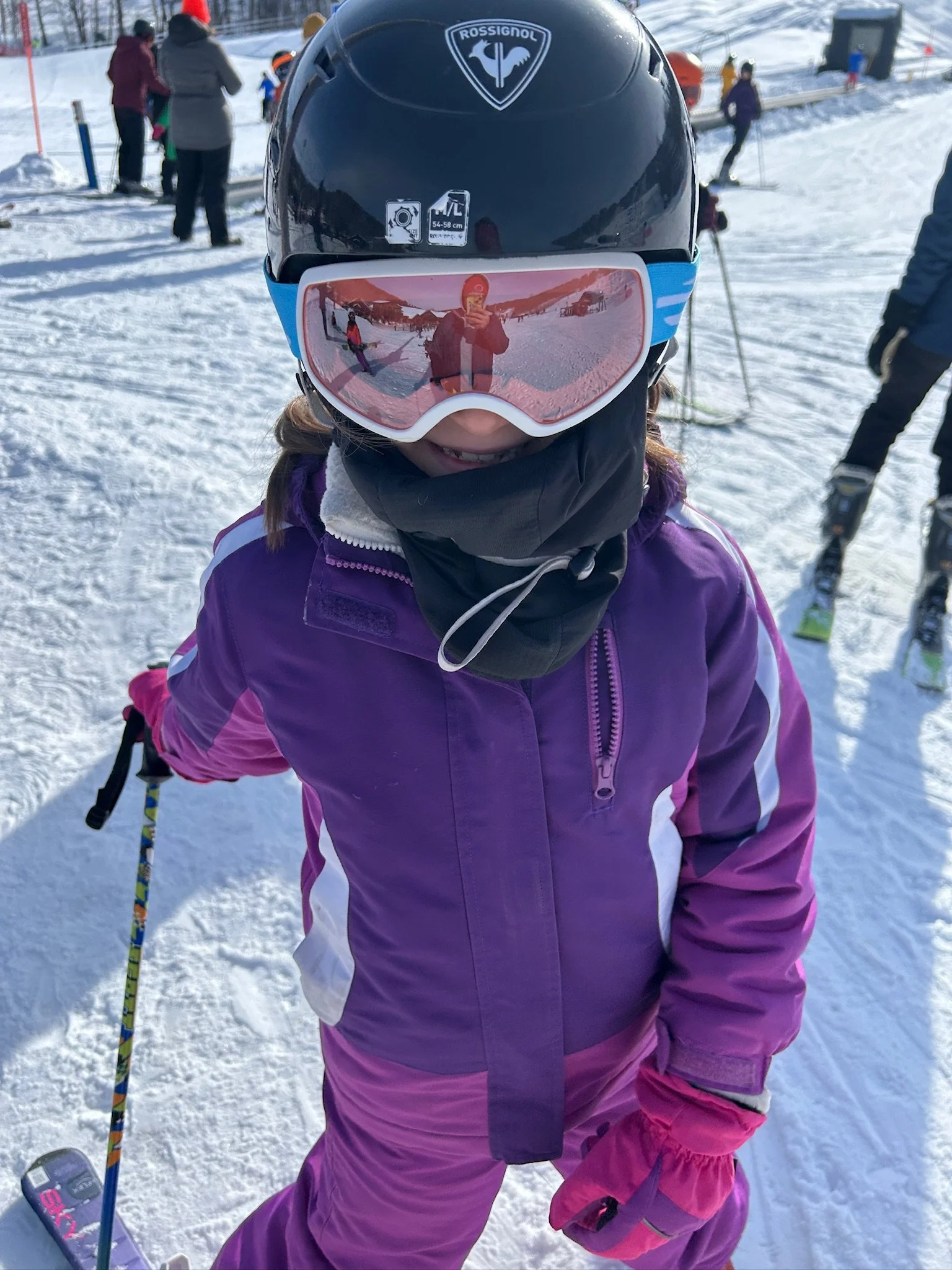
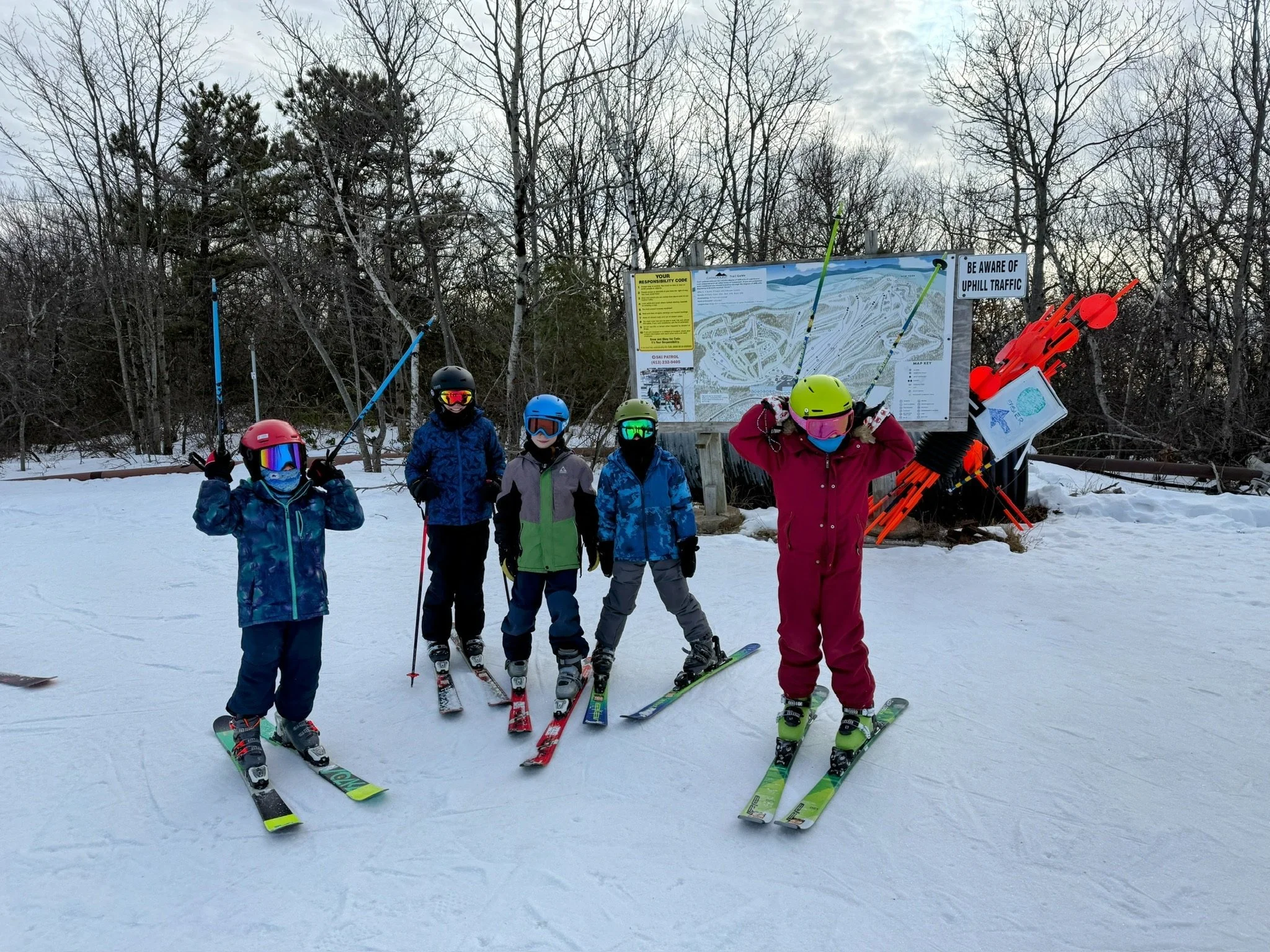
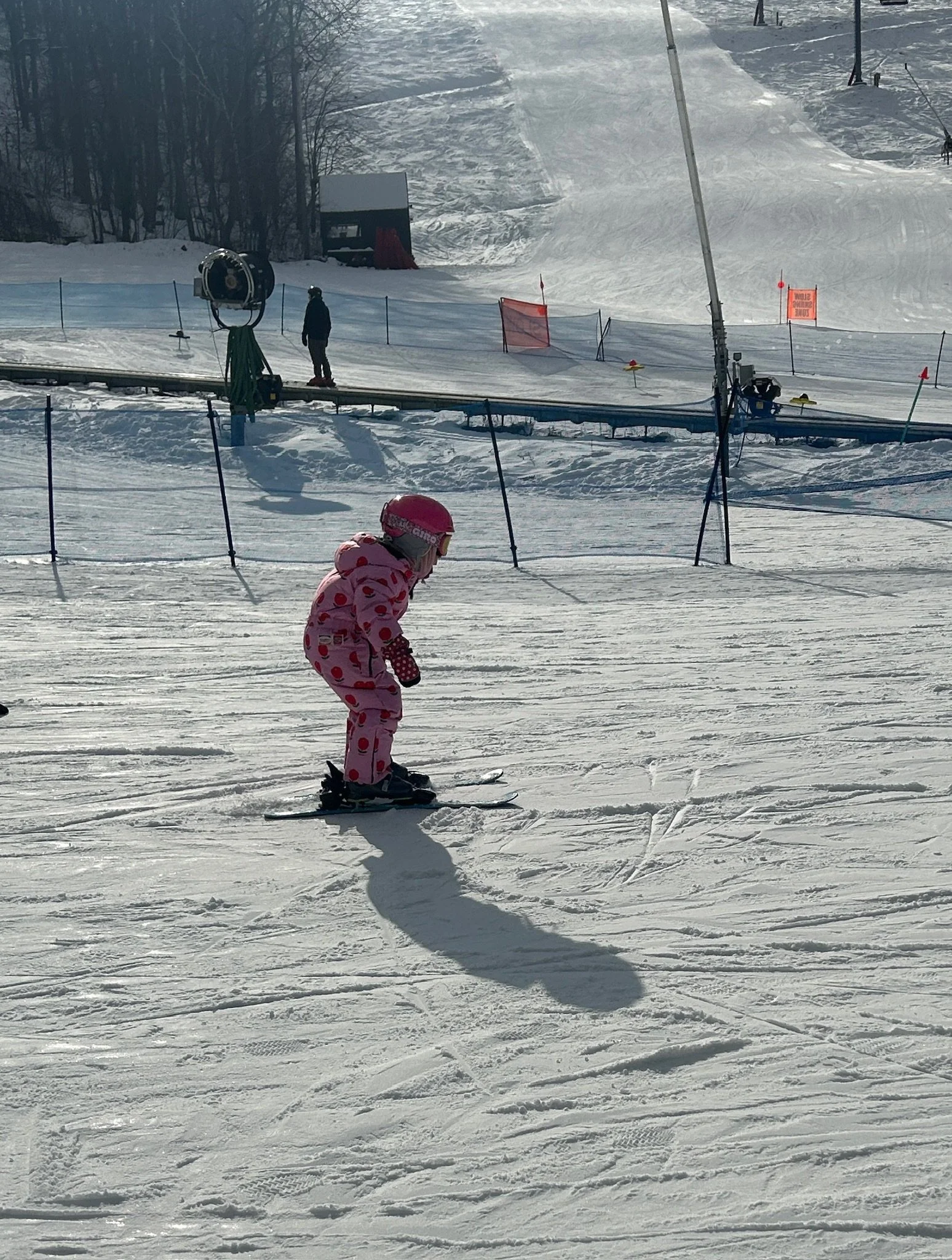
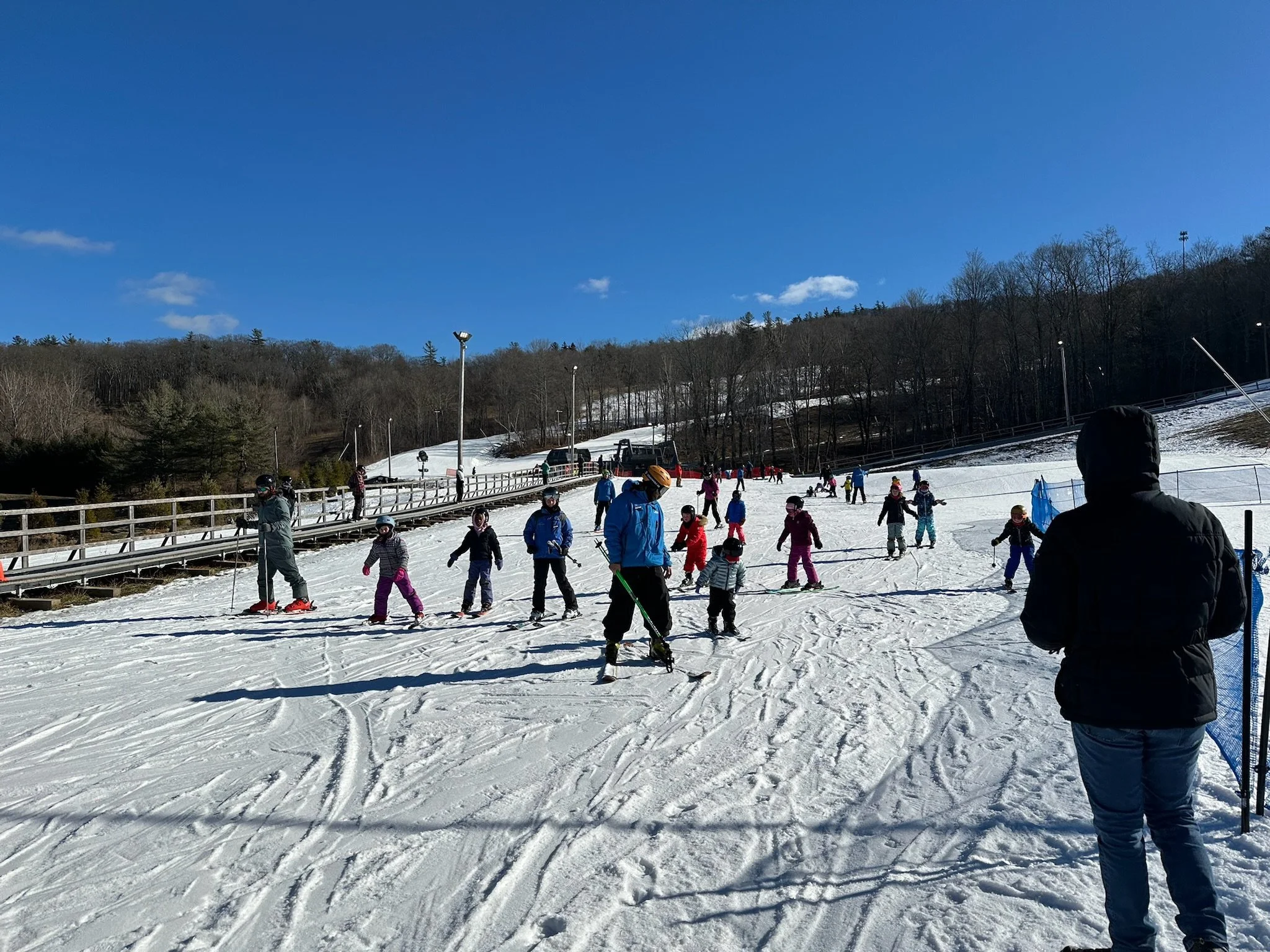
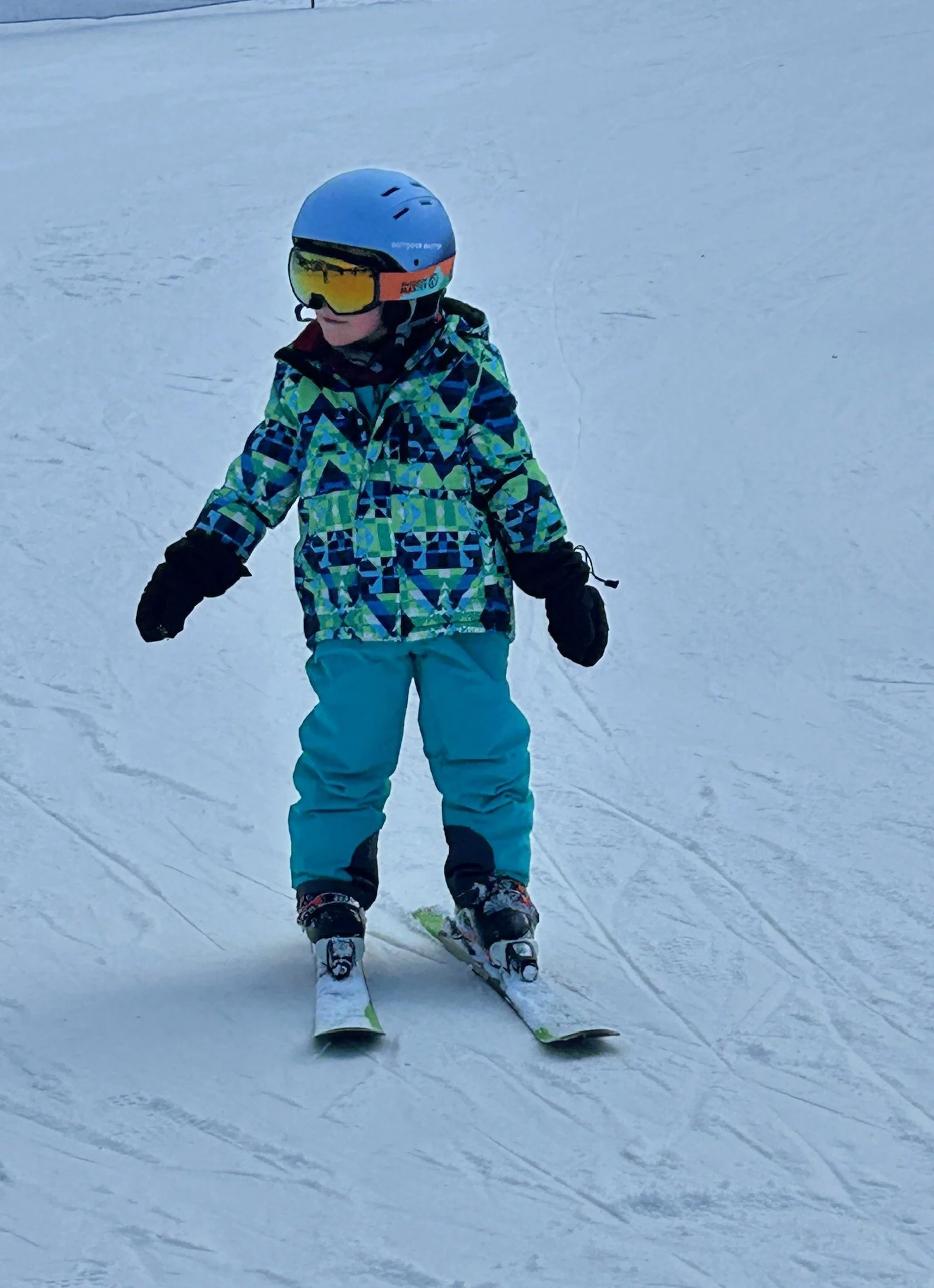
Over four Fridays each winter, students explore gravity, friction, and balance while building coordination and confidence on the slopes. Skiing and snowboarding as a community turn physics into an active, experiential learning adventure.
Harvest Feast
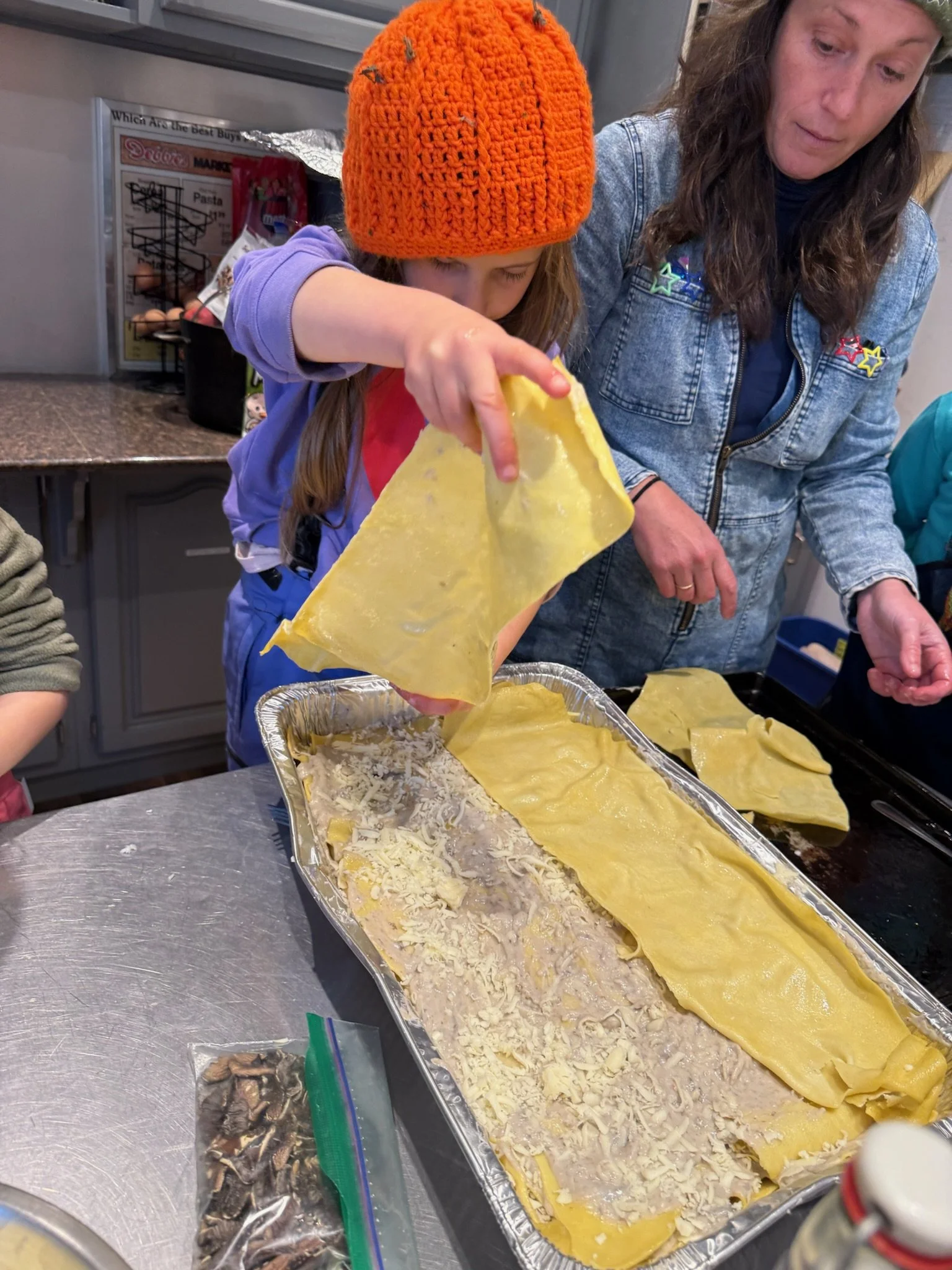
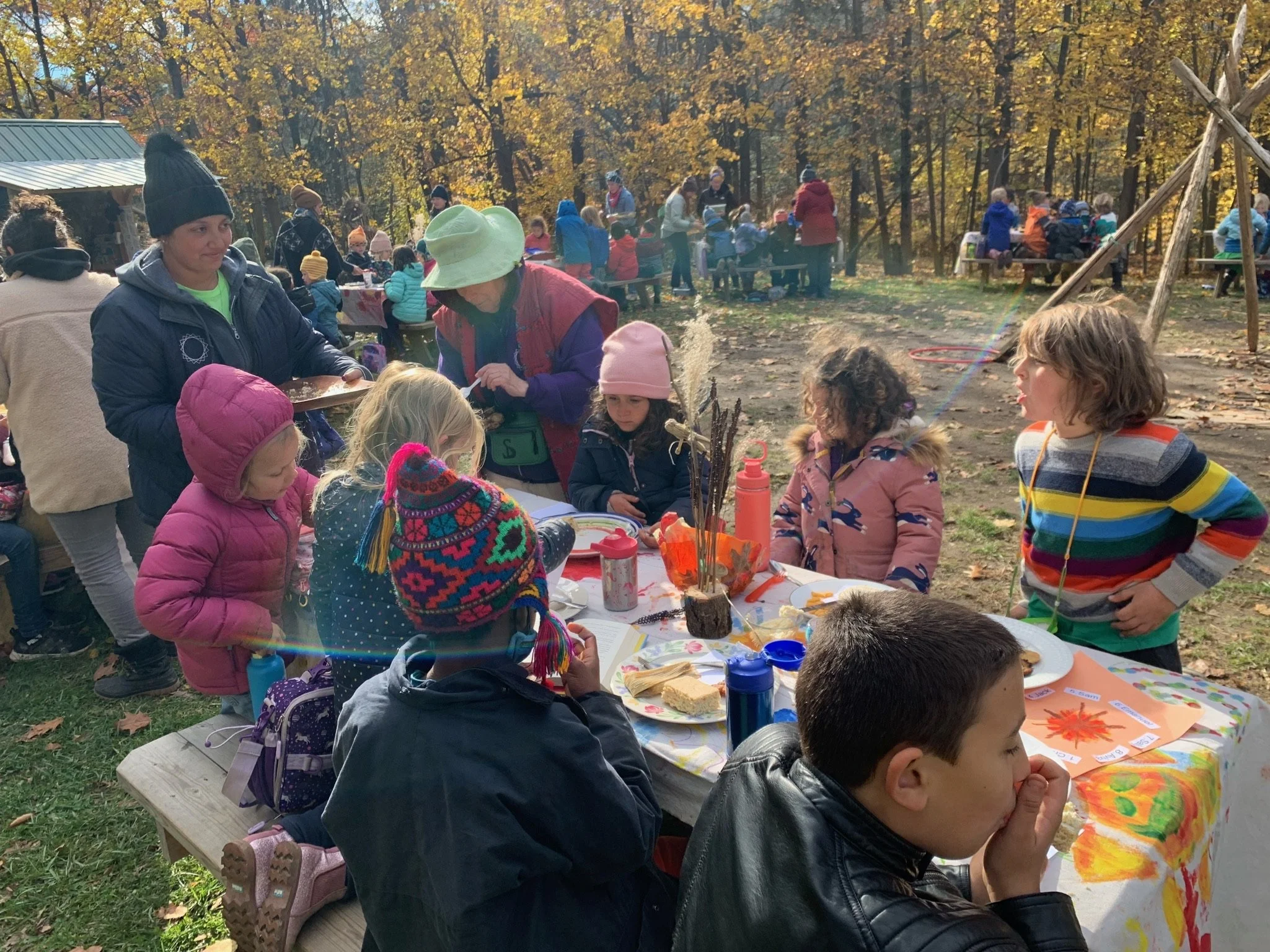
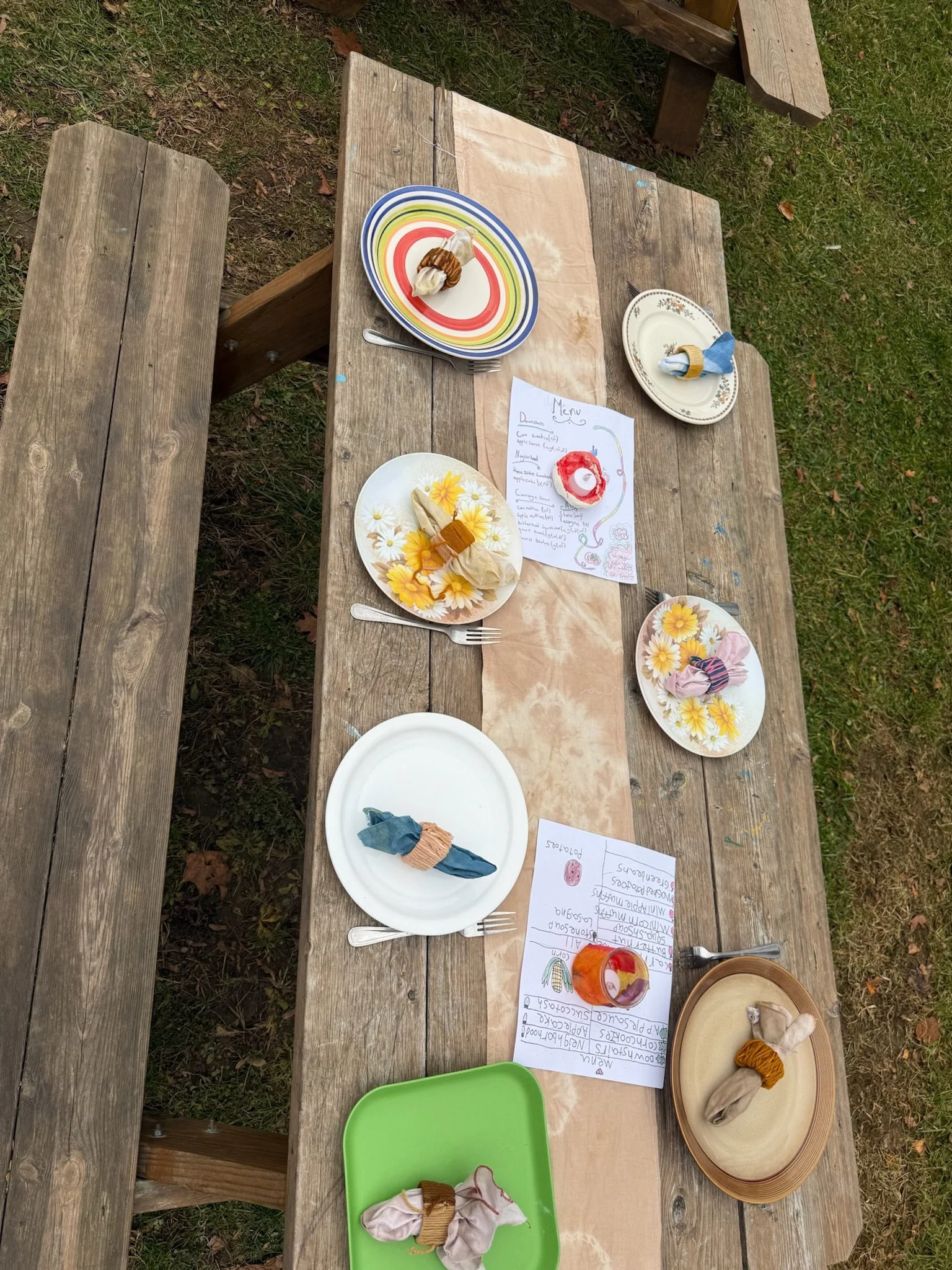
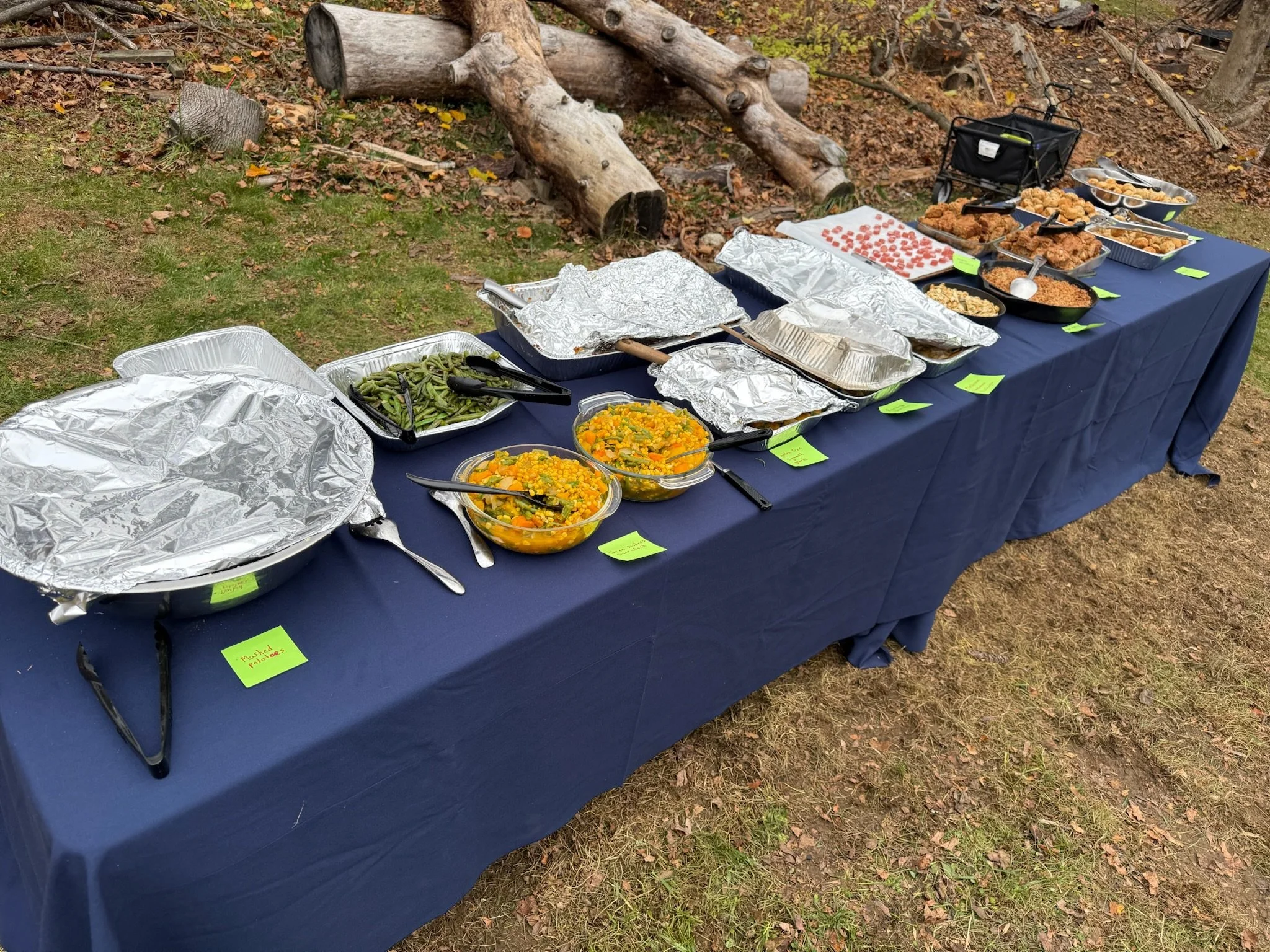
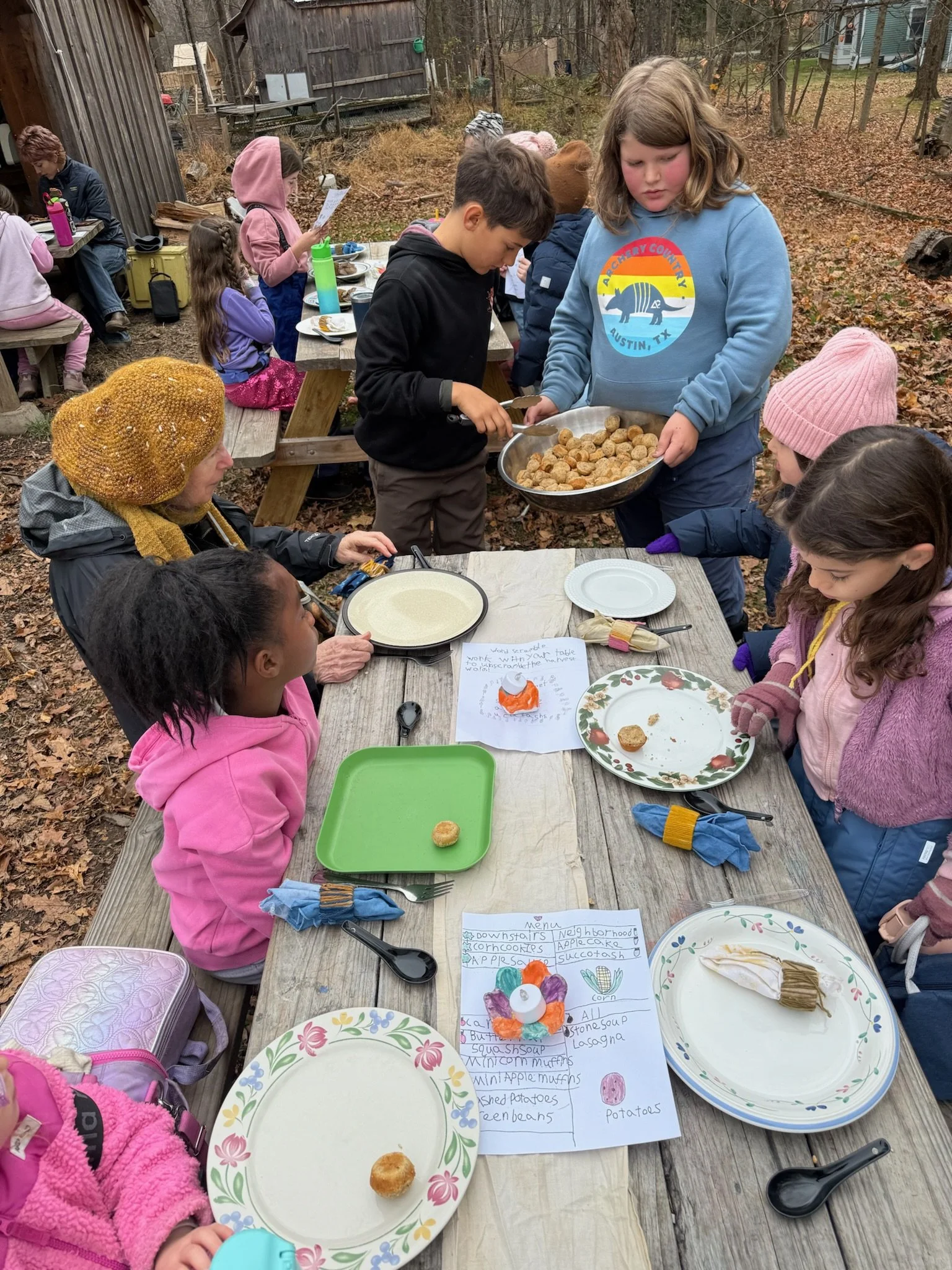
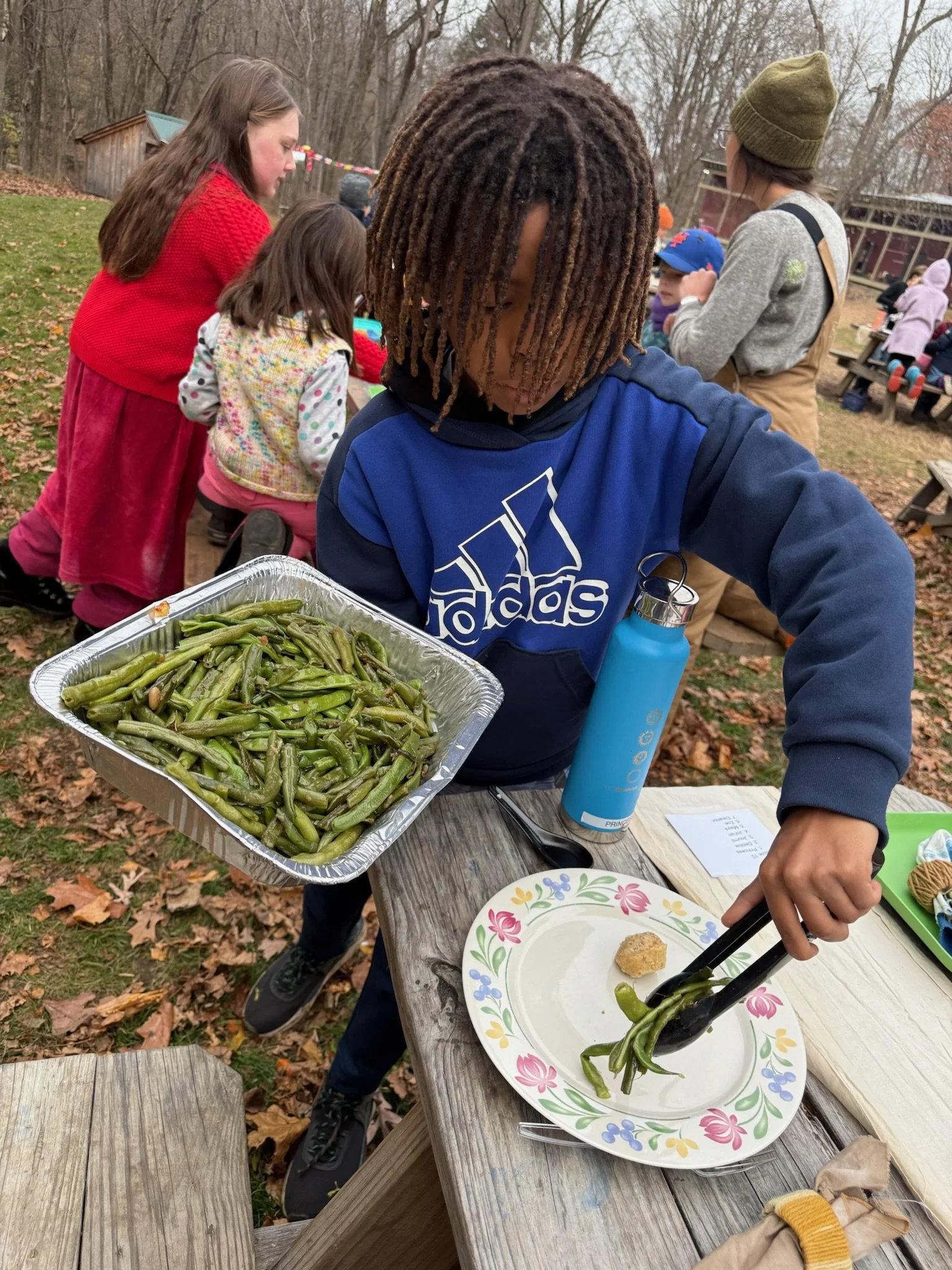
From designing, planting and tending gardens to harvesting, cooking, and serving, students connect science, math, and nutrition with creativity and community engagement. This project links biology, measurement, teamwork, and cultural traditions in a resonant and joyful experience.