
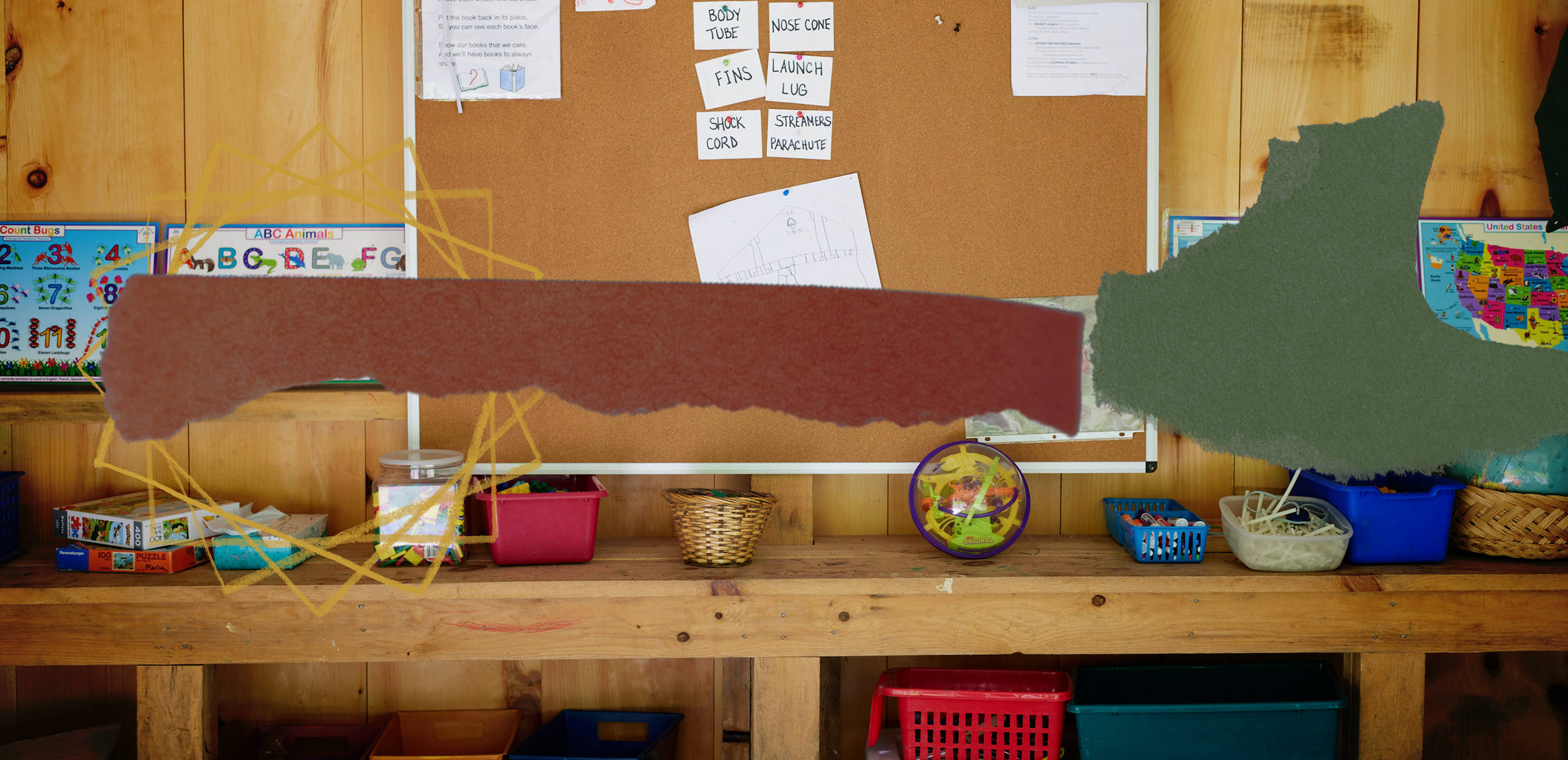
The Links Curriculum
Learning That Bridges Subjects, Skills, and Experiences
Our project-based curriculum inspires children to develop links—to their community, to the past, to their passions, and to the land. These links create strength, connection, and stability. Through them, knowledge forms, questions emerge, and growth is cultivated.
Imagine planting potatoes in the garden. From this simple crop, teachers and children create countless links across learning and life
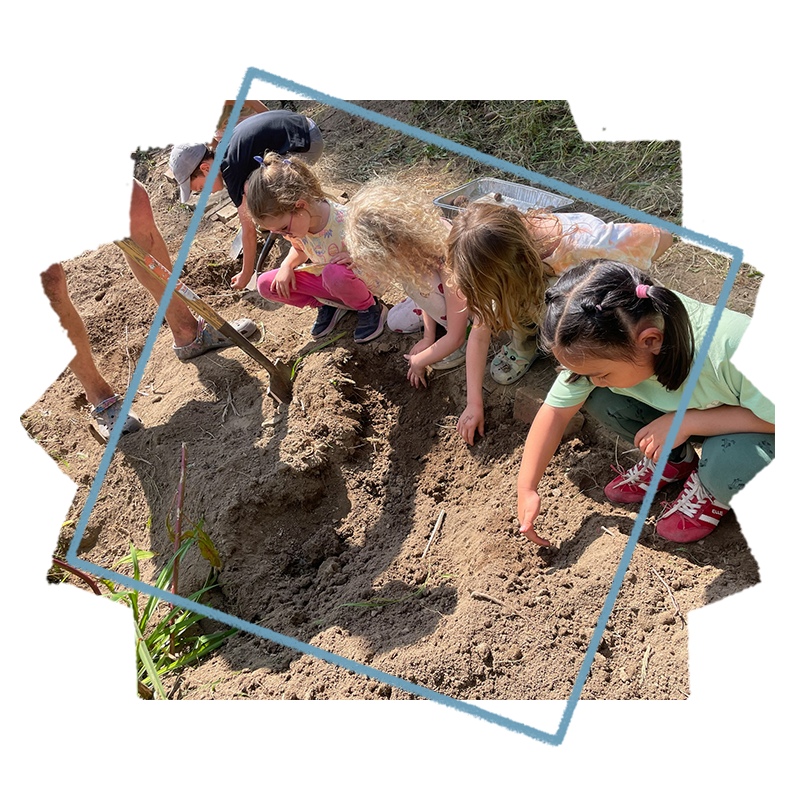
Links to Science:
Observe soil, plant growth, and natural cycles
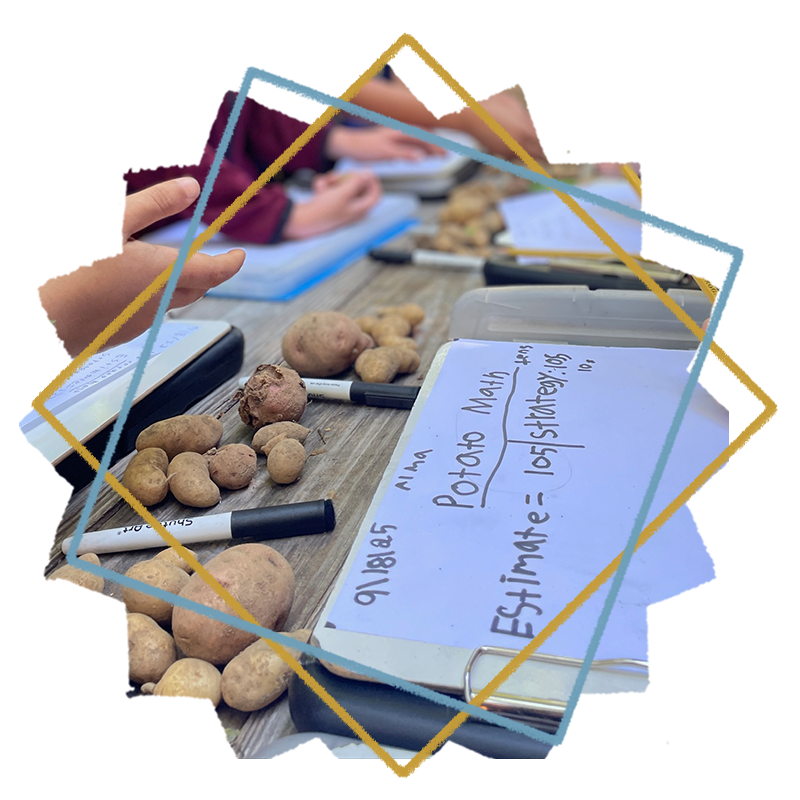
Links to Math:
Measure, track growth, and categorize results
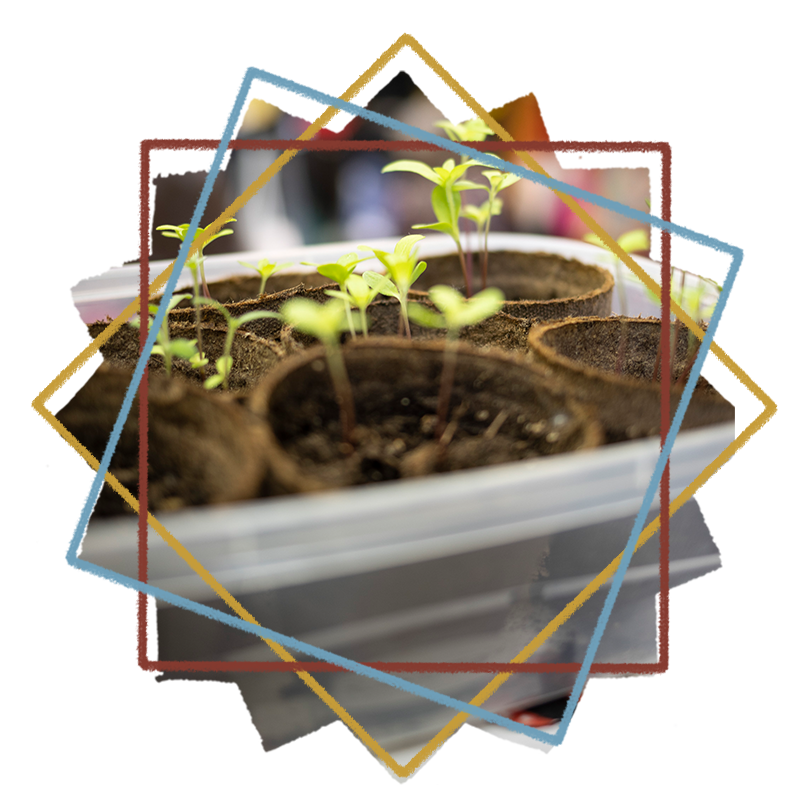
Links to Community:
Explore Indigenous planting techniques and environmental stewardship
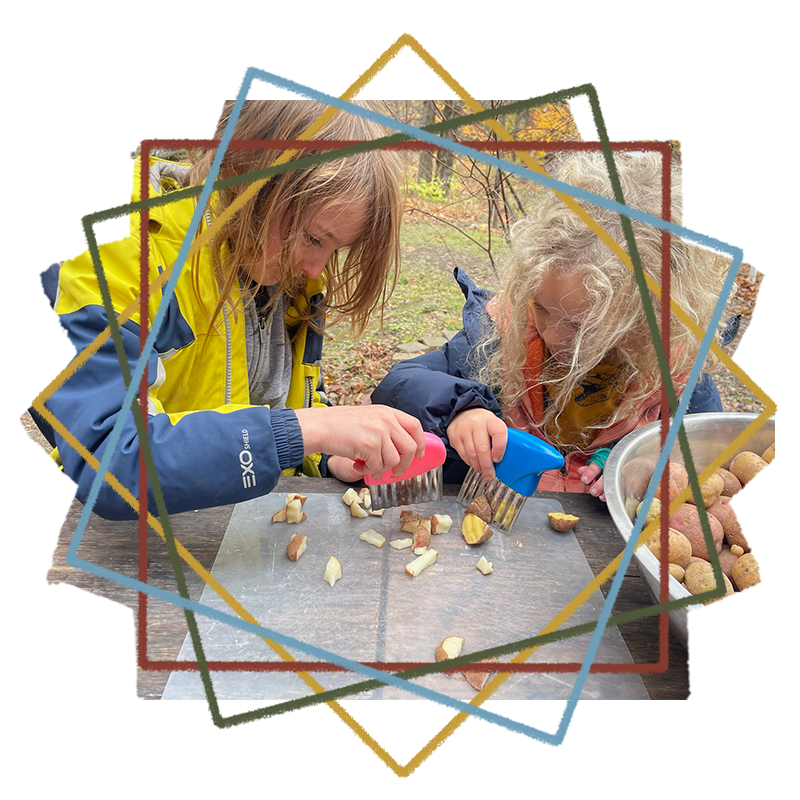
Links to Creativity:
Write, cook, celebrate with music, art, and shared experiences
These experiences help children understand who they are—as individuals, as learners, and as part of a community.
Links in Action
The Links team at Randolph School, a dedicated group of specialists, nurtures these foundational connections across disciplines. Each teacher brings a unique perspective, helping children turn curiosity into knowledge, creativity into confidence, and exploration into self-discovery
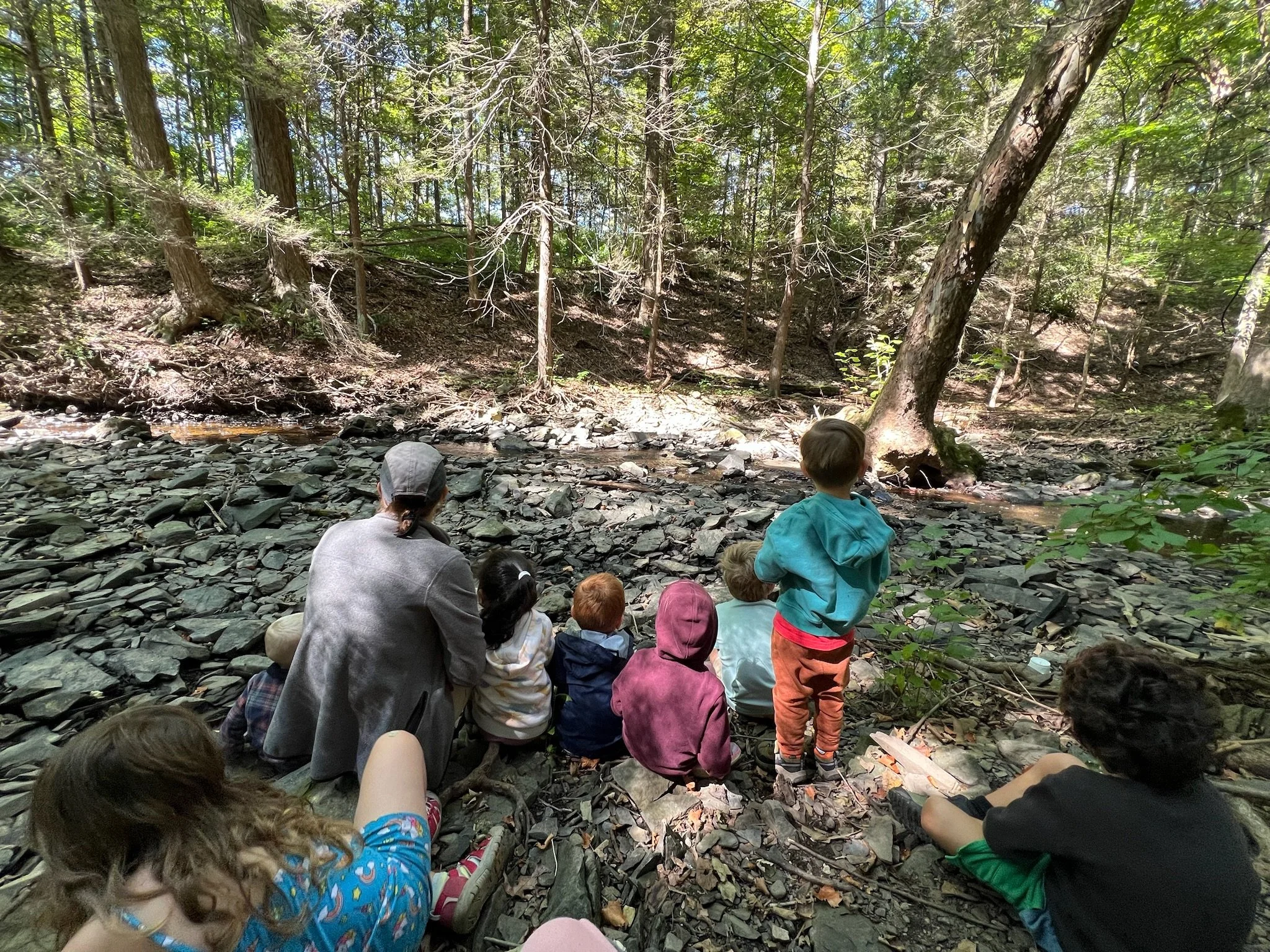
Ecology
Explore nature’s wonders
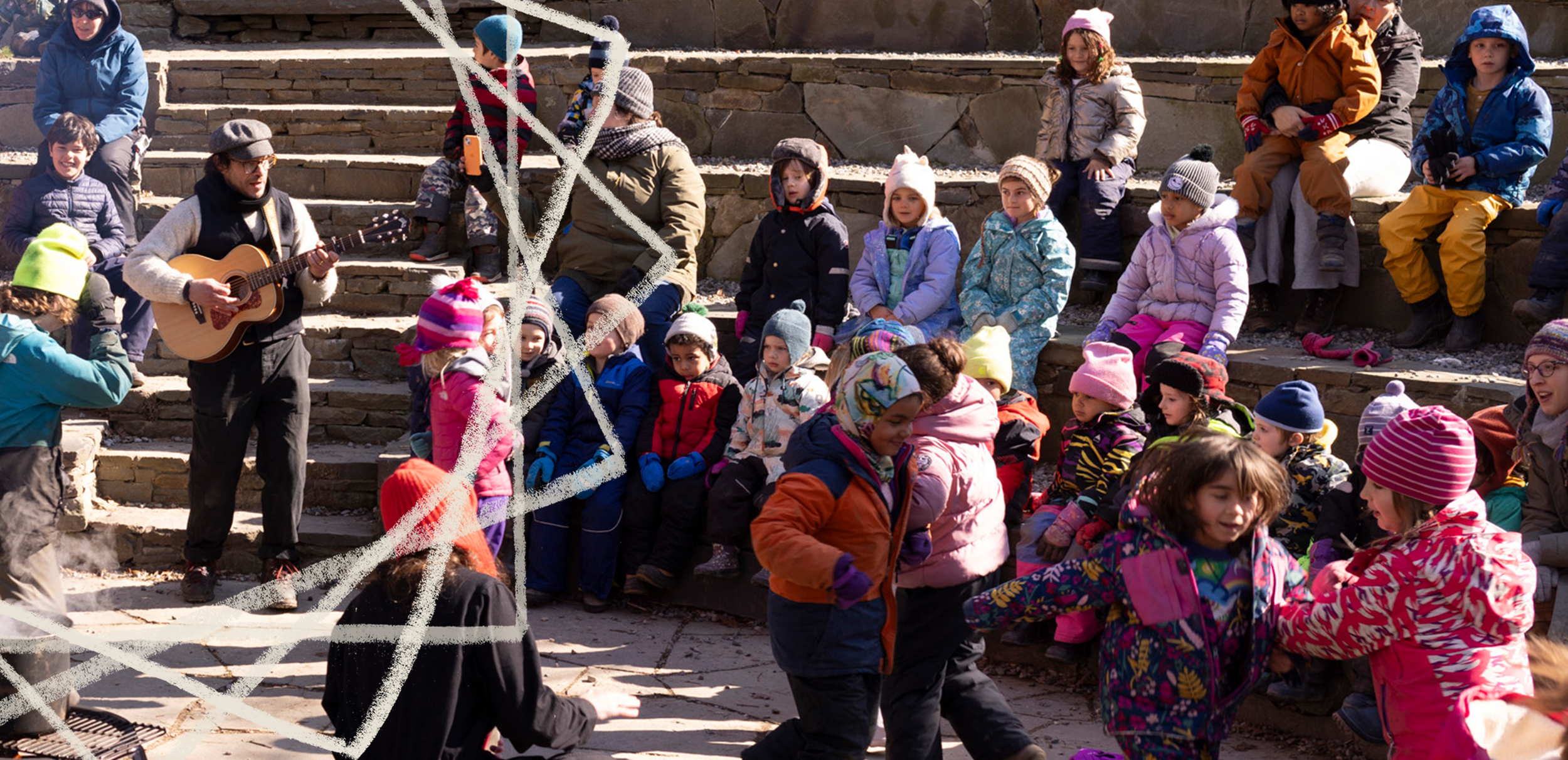
Music
Beat, hum, and make music come alive
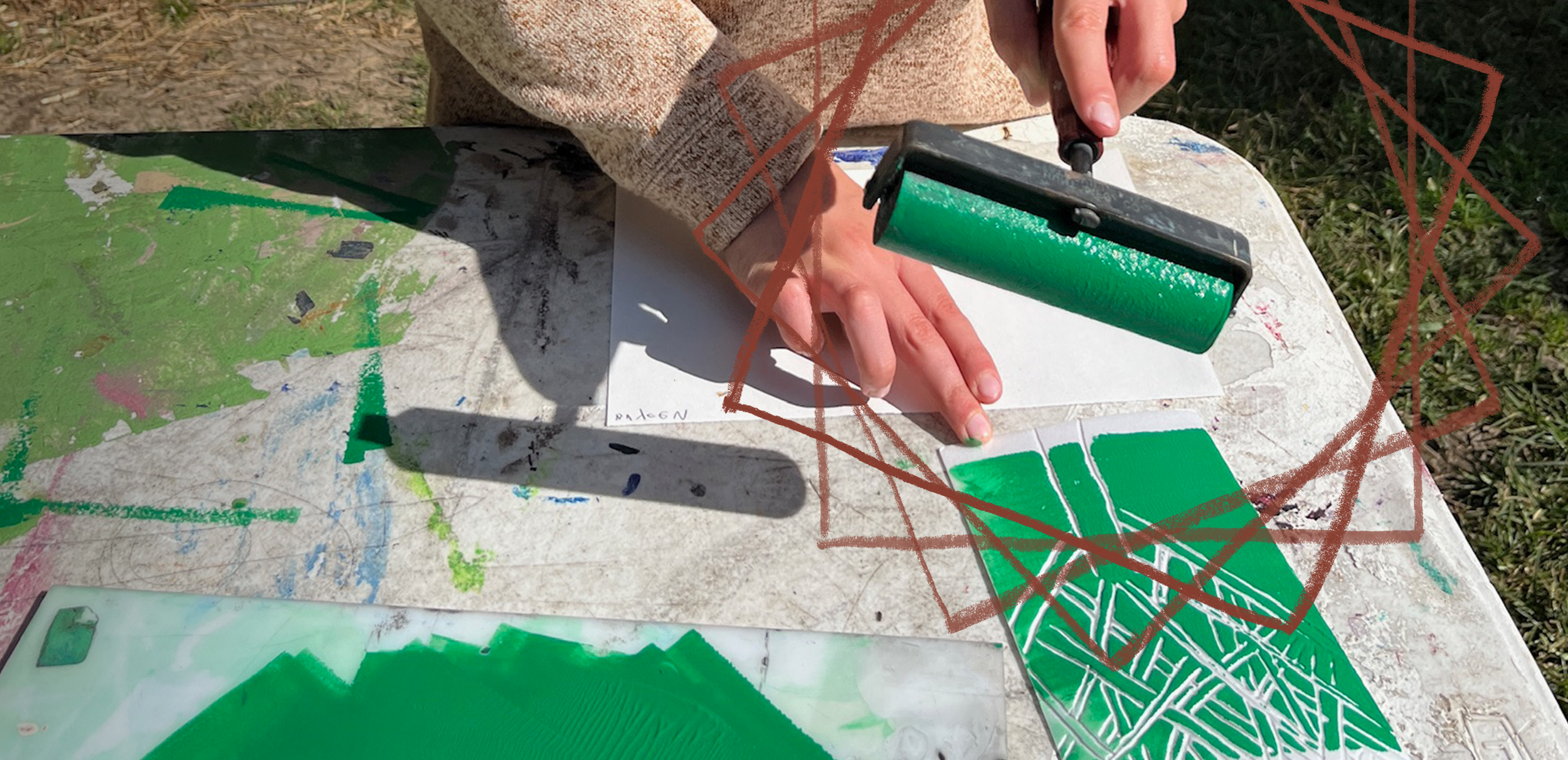
Art
Sketch, splash, and spin imagination into reality
Books
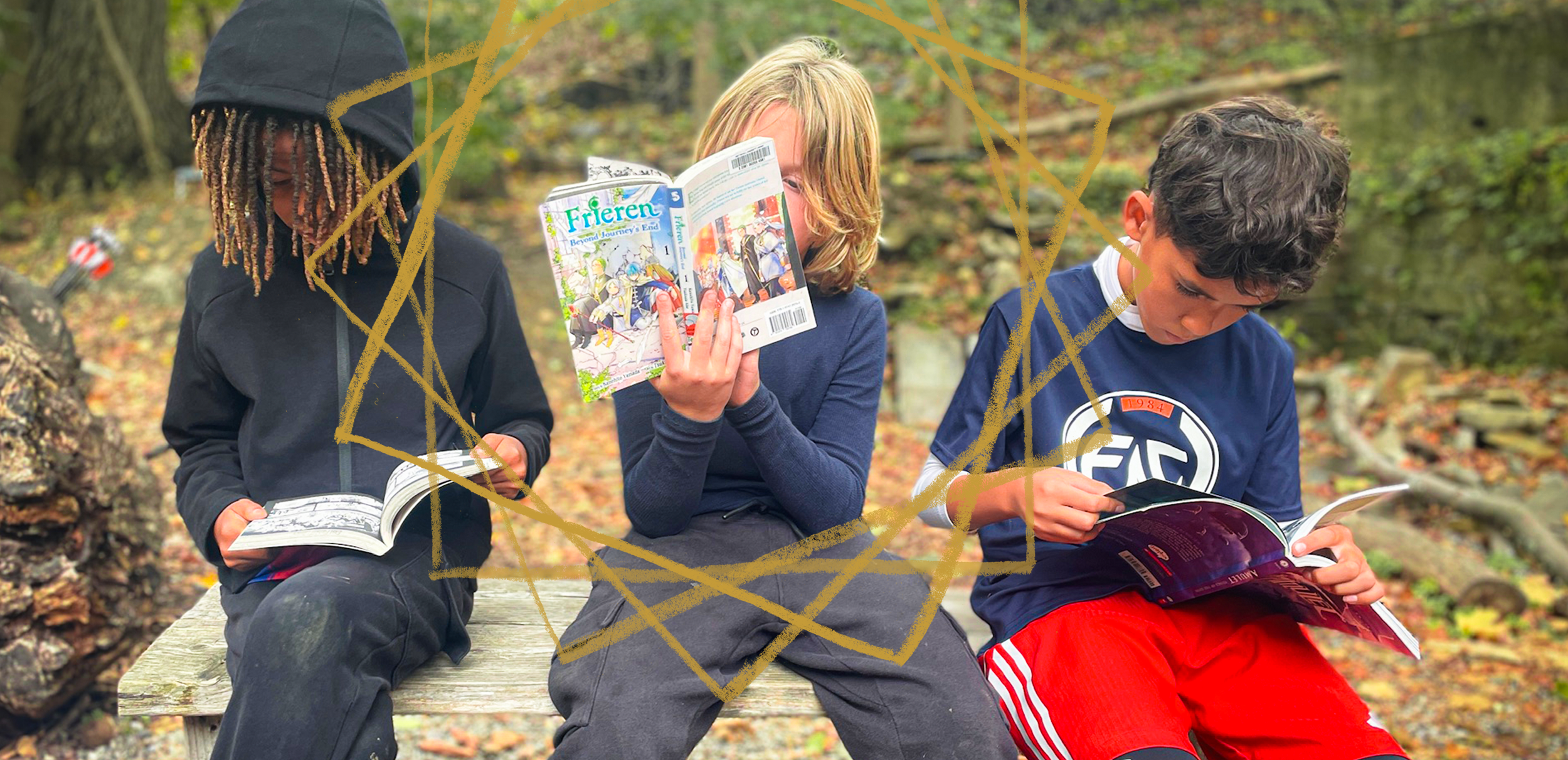
Flip, read, and journey through stories
Curriculum by Grade Level
At Randolph, we tailor learning experiences to meet each child’s developmental needs. While age is one factor, it’s only part of how we place students in peer groups to best support their growth.
Pre-K (Downstairs)
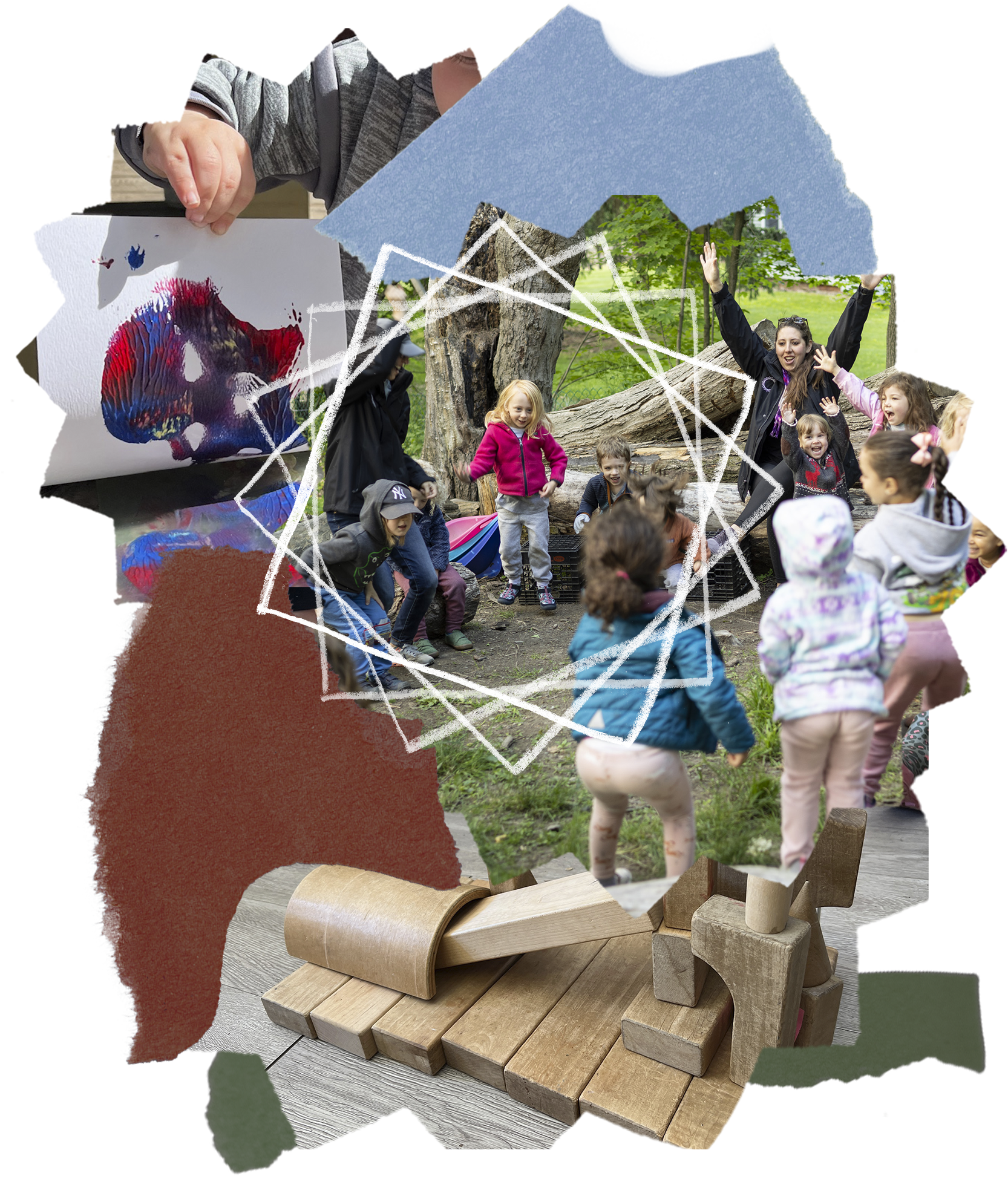
Our youngest learners are nurtured in every aspect of their development—social, emotional, intellectual, physical, and artistic. We emphasize the whole child and honor play as the primary way children explore, create, and make sense of the world. Within a safe, respectful community, children are encouraged to make choices, solve problems, and practice independence, building confidence as thoughtful and capable learners.
Example activities include:
Making menus and price lists for a pretend restaurant
Counting and sorting fruit at the Fruit Café
Experimenting with materials to build structures that stand tall
Learning new poems and developing storytelling skills through read-alouds
Kindergarten & 1st Grade (Upstairs Neighborhood)
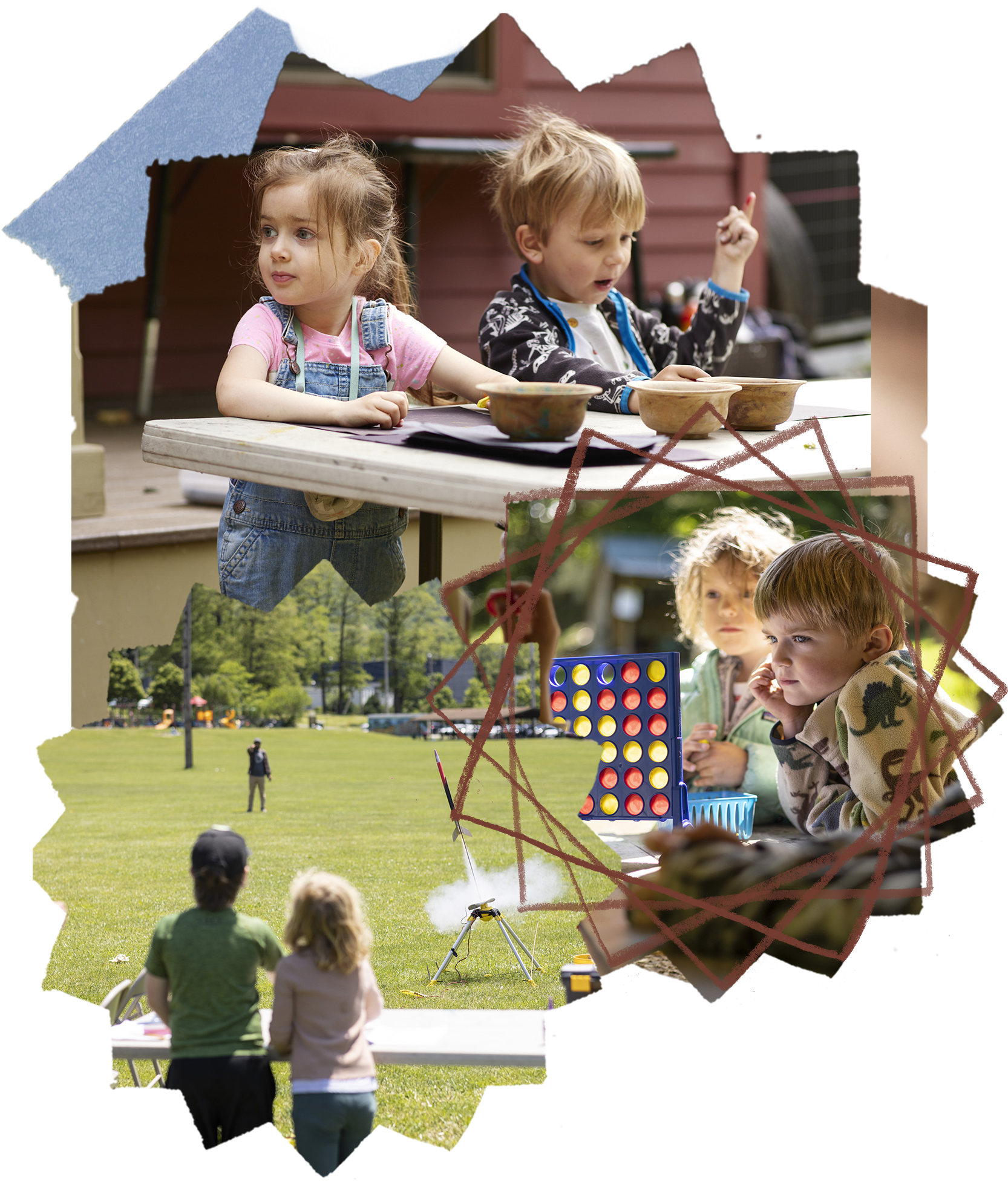
In the Upstairs Neighborhood, children learn to work collaboratively in both small and large groups, strengthening communication, empathy, and shared responsibility. Teachers lay the foundation for the joyful and challenging work of reading, writing, critical thinking, problem solving, mathematical thinking, and documenting observations. Seasonal studies invite children to closely observe the world around them, providing a meaningful introduction to science and social studies.
Example activities include:
Exploring the night sky using Starlab, a portable planetarium
Rocket design and launch in collaboration with older students
Food preparation and cooking for the school-wide Harvest Feast
Life science study through chick incubation and hatching
Strategic thinking through board games and puzzle solving
Grades 2–3 (Lower Carriage House)
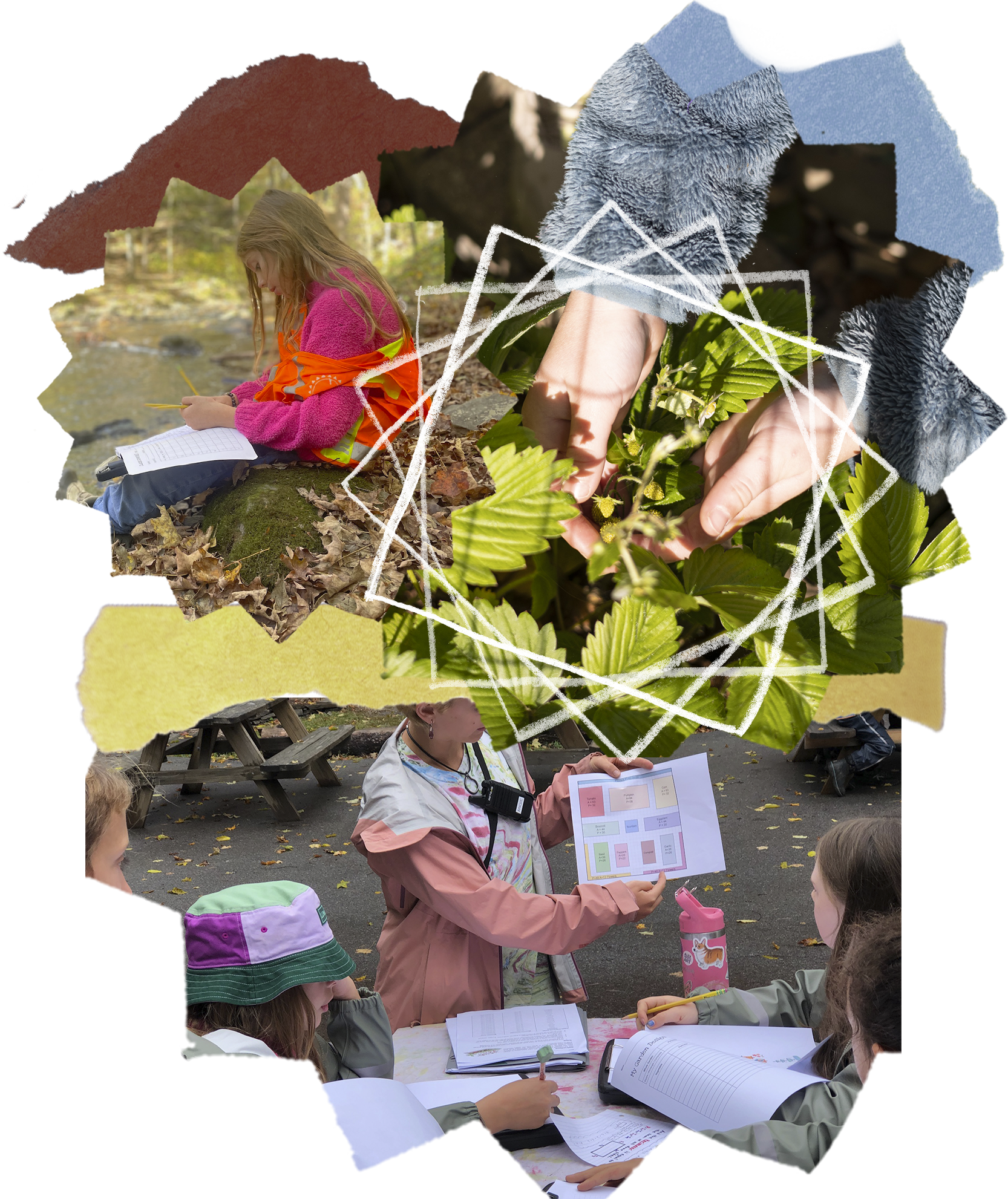
The Lower Carriage House program engages students in meaningful, authentic learning experiences that foster independence, academic growth, and social-emotional development. Through hands-on, integrated studies, children deepen their skills as thinkers, readers, writers, and collaborators
Example activities include:
Garden design and maintenance within ecological studies
Creek-based field observation and nature journaling
Writing instruction emphasizing drafting, revision, and publication
Study of Wappinger history and culture through traditional wigwam construction
Exploration of fiber arts through natural dyeing, knitting, and sewing
Grades 4–5 (Upper Carriage House)
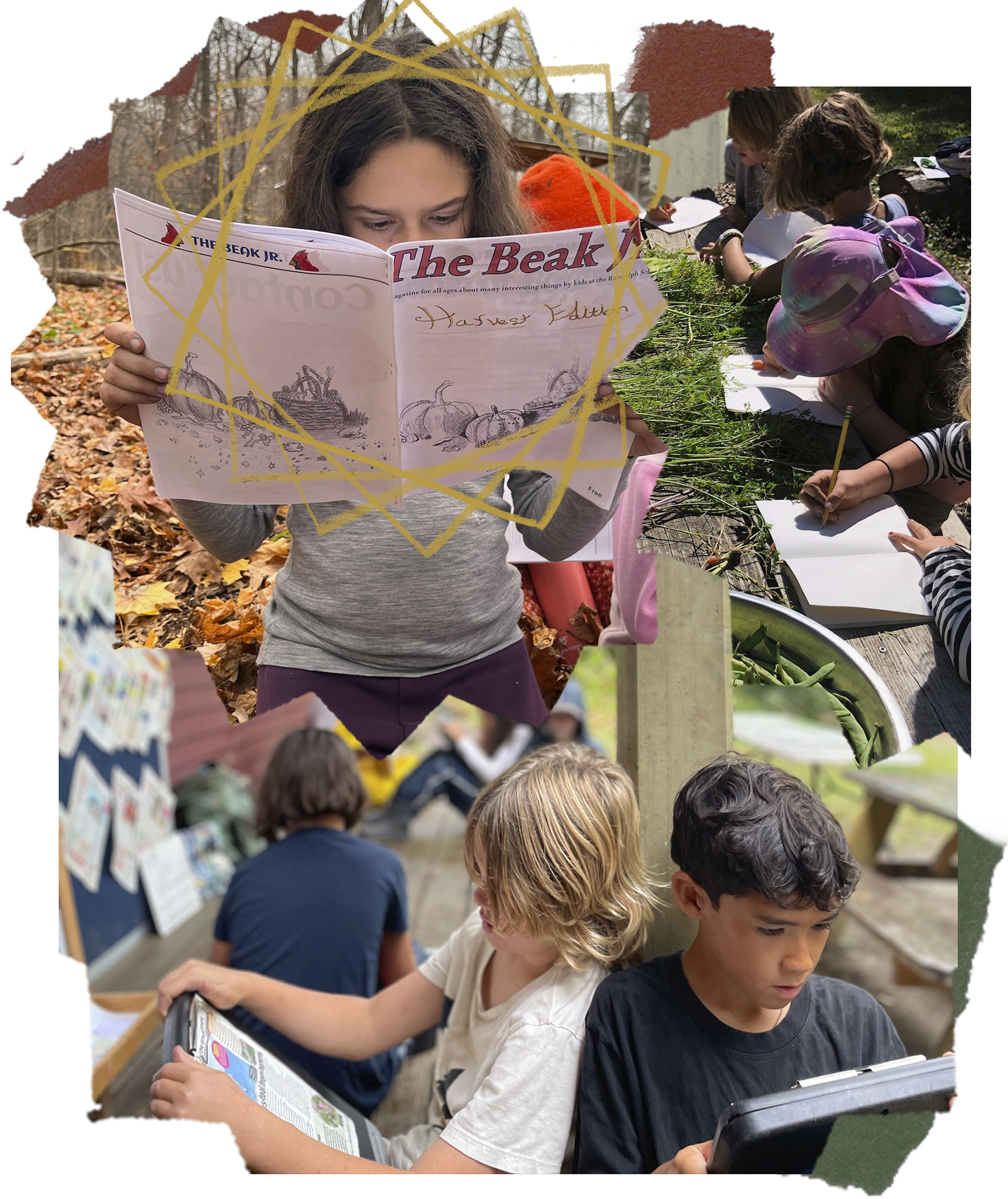
As elders in our community, upper elementary students take on increasing responsibility and leadership, guiding and supporting younger peers. Students engage deeply in project-based, thematic studies that integrate multiple disciplines and emphasize real-world problem solving and reflection.
Example activities include:
Publishing the student magazine Beak Jr.
Writing grants to support school projects
Designing and building a functional chicken coop
Leading maple sugaring studies and activities
Designing and constructing boats to explore physics and engineering
Academics That Honor How Children Learn
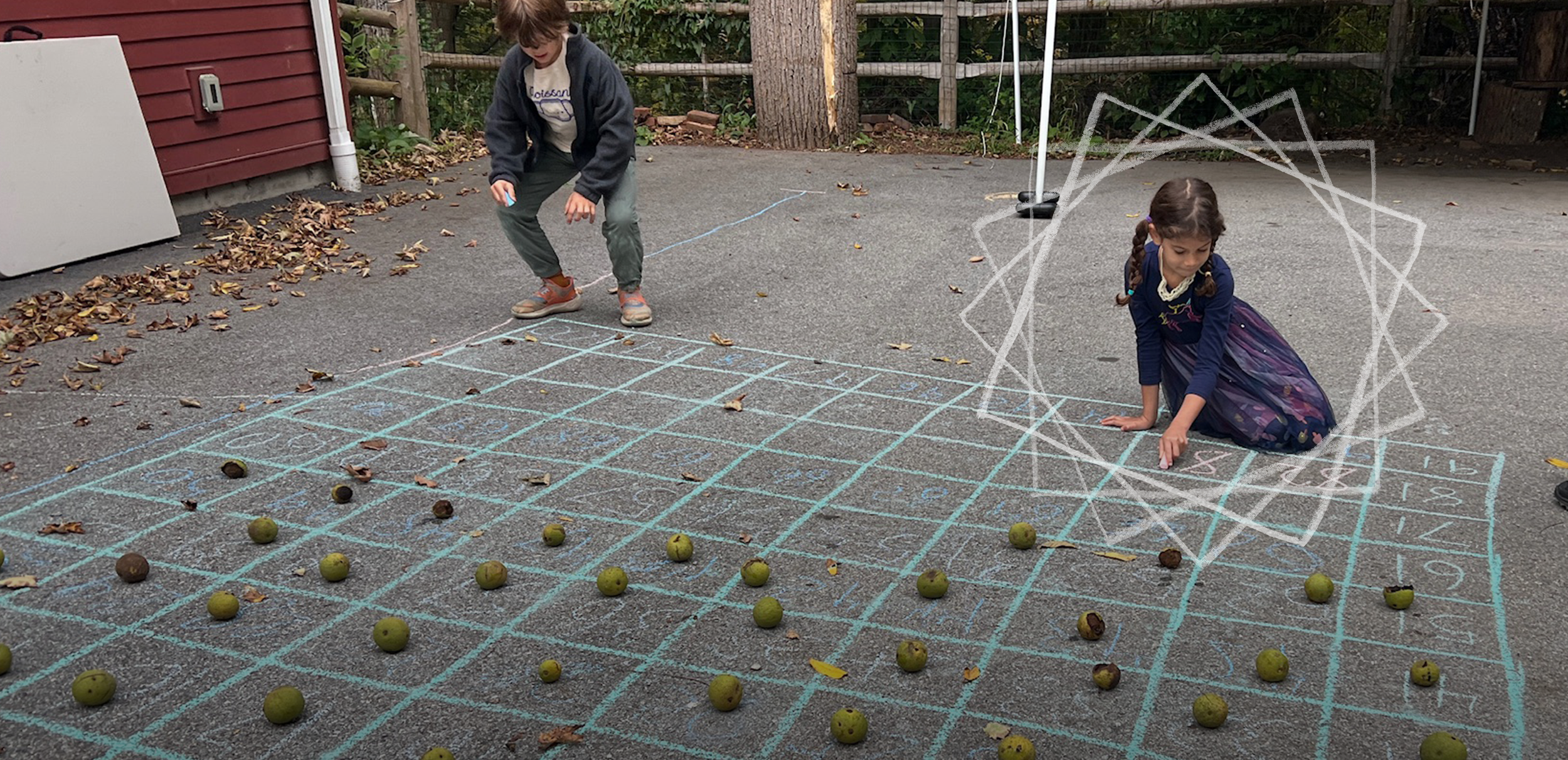
Every day, children in grades K–5 receive dedicated instruction in phonics, literacy, and math—programs aligned with state standards and our Randolph values.
Phonics and Literacy
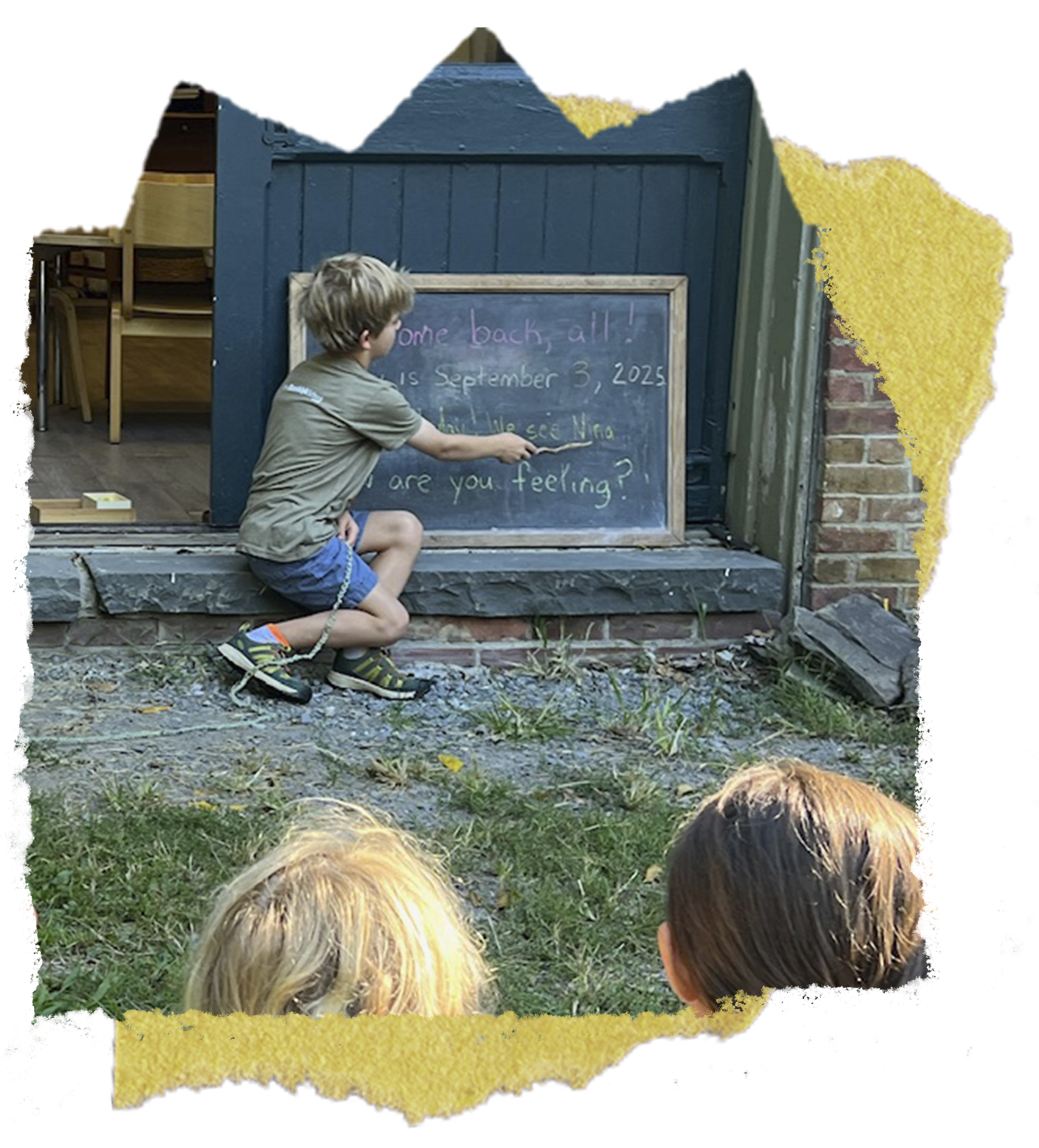
Our program, Phonics, Reading, and Me, offers rigorous, research-based phonics and literacy instruction while nurturing each child’s unique learning journey. Children gain the skills, confidence, and joy of reading and writing that support growth in school and beyond.
Math
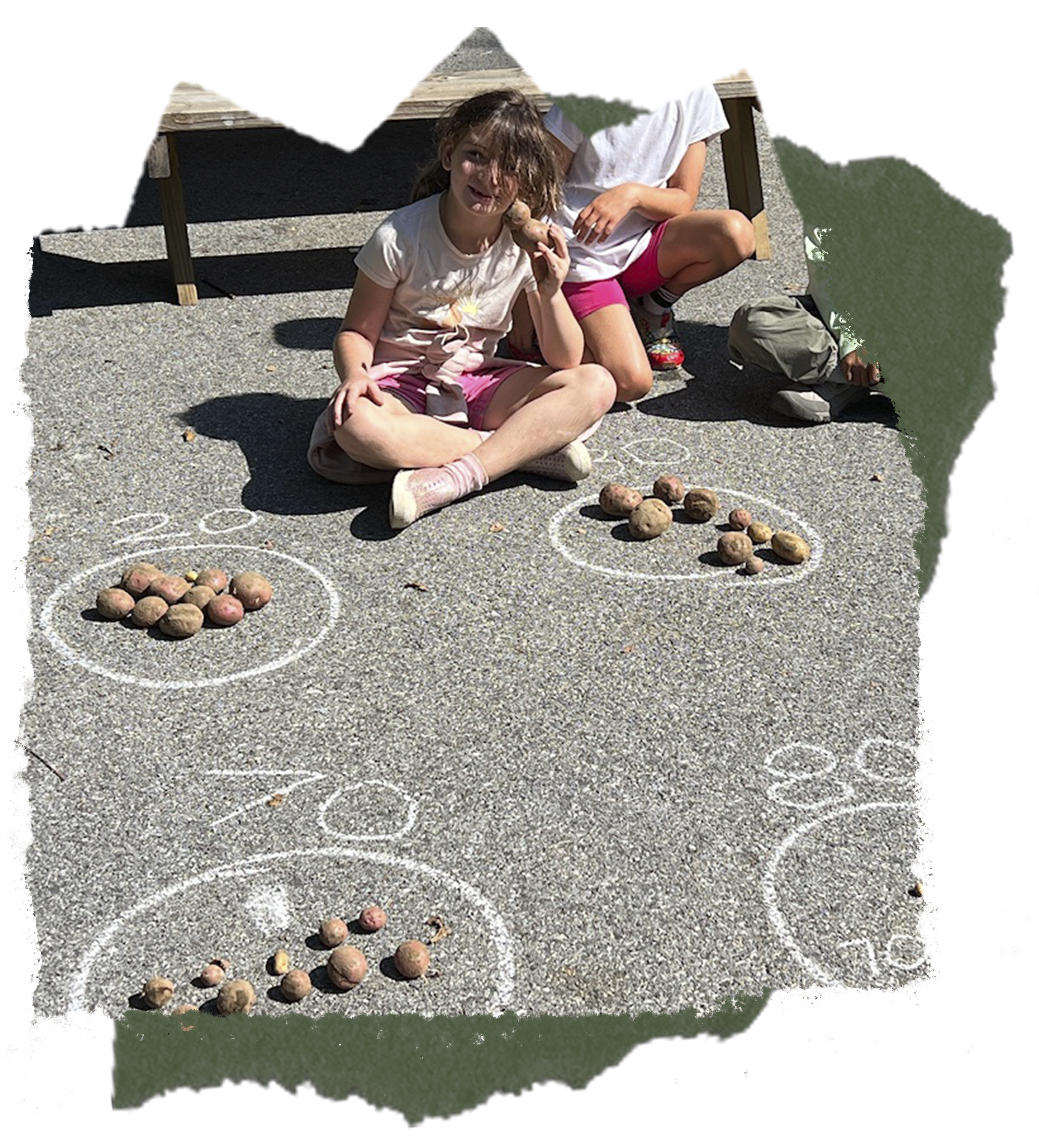
Tang Math teaches children to understand math conceptually, not just memorize facts. From early counting in Kindergarten to complex problem-solving in fifth grade, students develop strong number sense, mathematical confidence, and critical thinking, building foundational skills that support success in school and any future path they choose.