
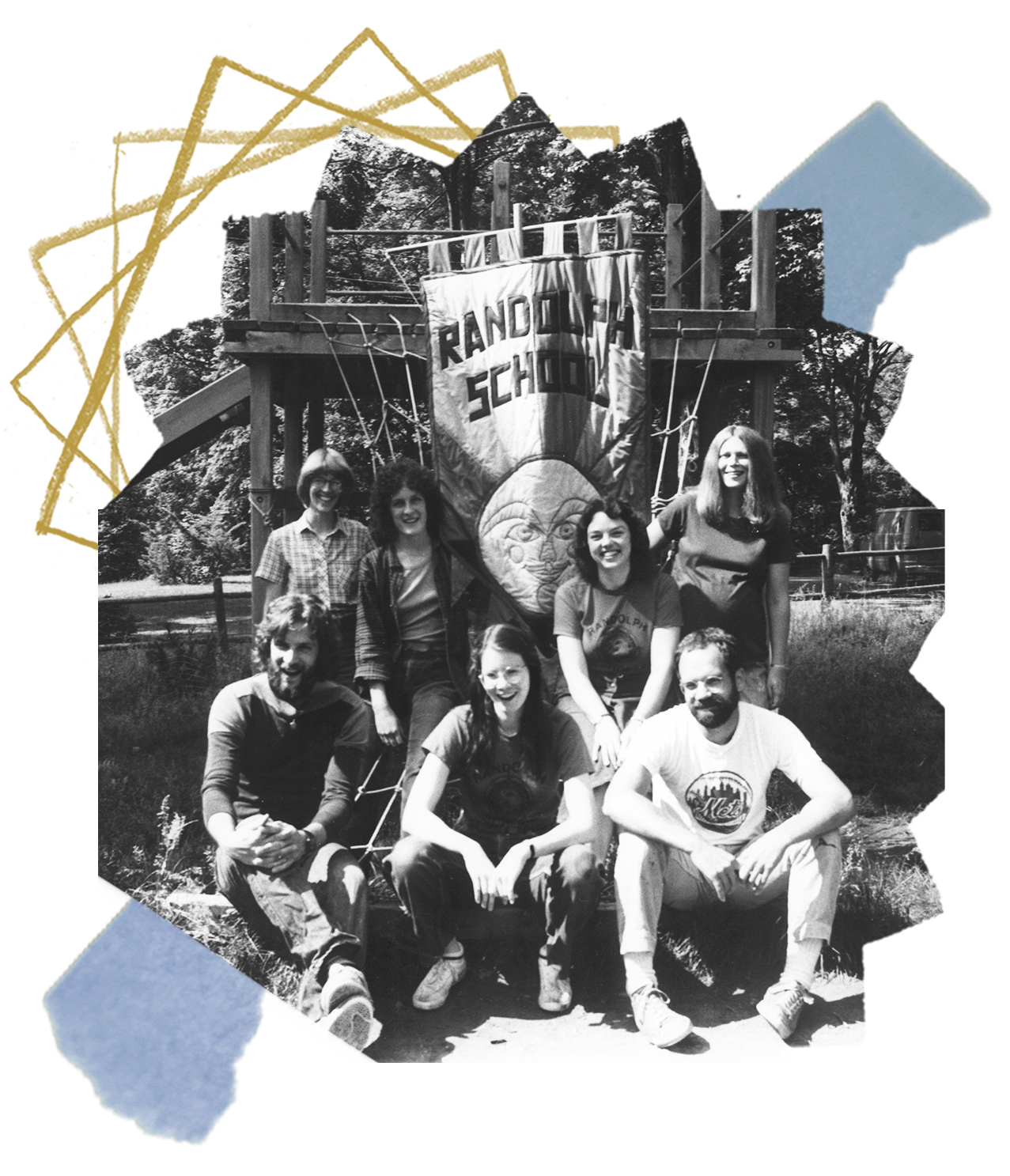
The Philosophy That Started It All
Where Living and Learning Are One
“A genuine philosophy of education is essentially a philosophy of life; living and learning are interdependent conditions.
Since human beings learn through exploration, interpretation of, and reaction to their world, then an appropriate educational approach encourages fearless exploration, challenge and exchange of ideas.
Children who are expected to participate in a democratic society must be educated in schools that allow the greater possible experience in making rational choices among a variety of alternatives, that also allow the widest possible experience in free interaction with others and in following their own lines of inquiry or investigation.
This will not be a silent school. A school where children are learning is a place full of the sound of laughter, of tears, of gaiety, of anger…the sound of children communicating…the sound of life…the sound of growing.”
— Randolph School Founding Philosophy, 1963
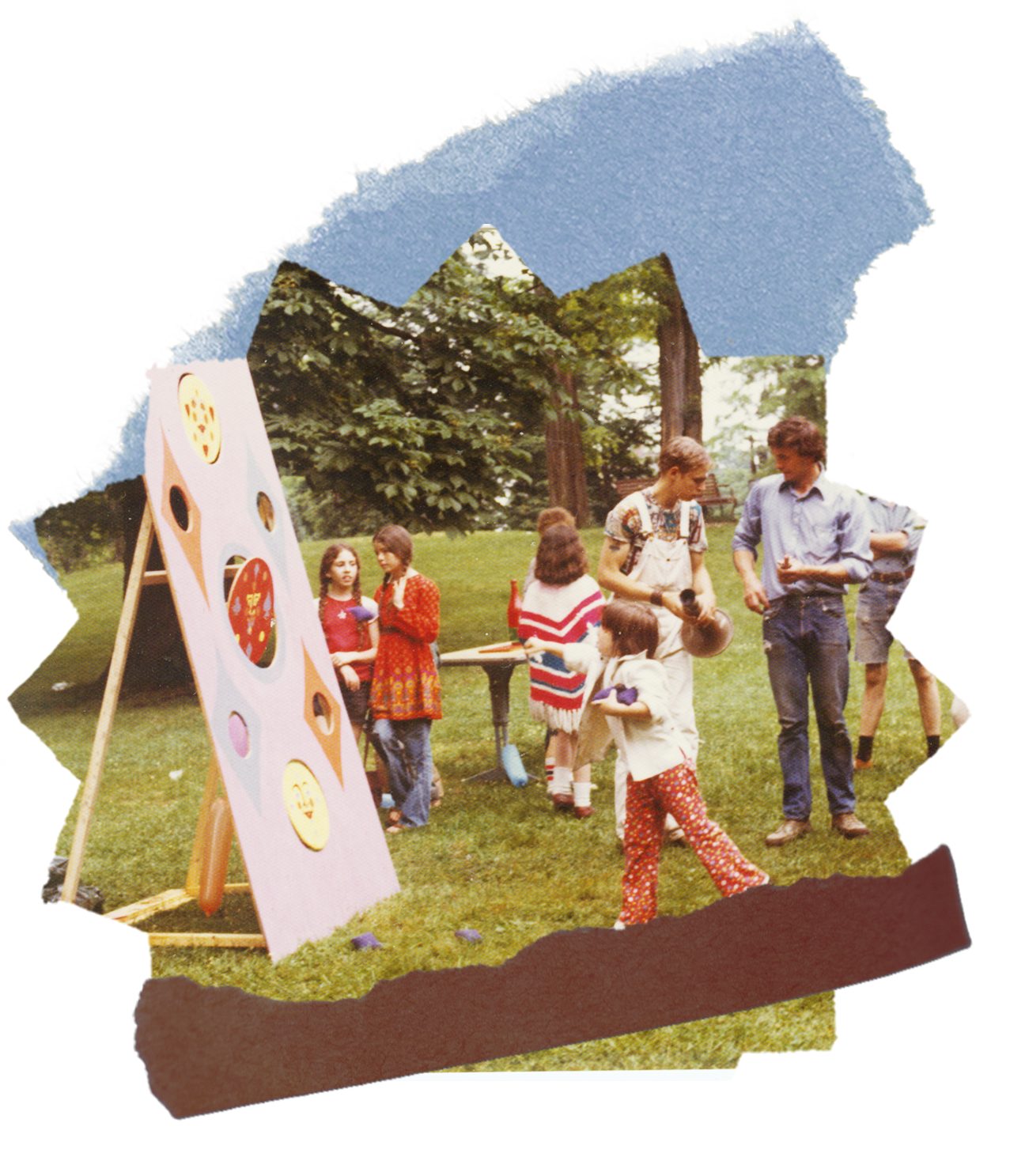
Below - From the Archives: The First Day of School 1964
A Bold Beginning, Rooted in Belief
In 1963, three teachers at Poughkeepsie Day School (Lee Tomlins, Dee Rittenhouse, and Jerry Pomeroy) came together around a shared dream: to create an ideal, child-centered educational environment dedicated to the fullest self-fulfillment of every child.
Their vision centered on the creative investigation of the world, guided by children’s natural curiosity and supported by deeply engaged educators. It was a bold idea, shaped by trust in children and faith in education as a force for good.
This was a pivotal moment in our country’s history. The world felt uncertain, even frightening, for many adults. Randolph’s founders and first families created the school to invest in children and the belief in the brighter future they represented.